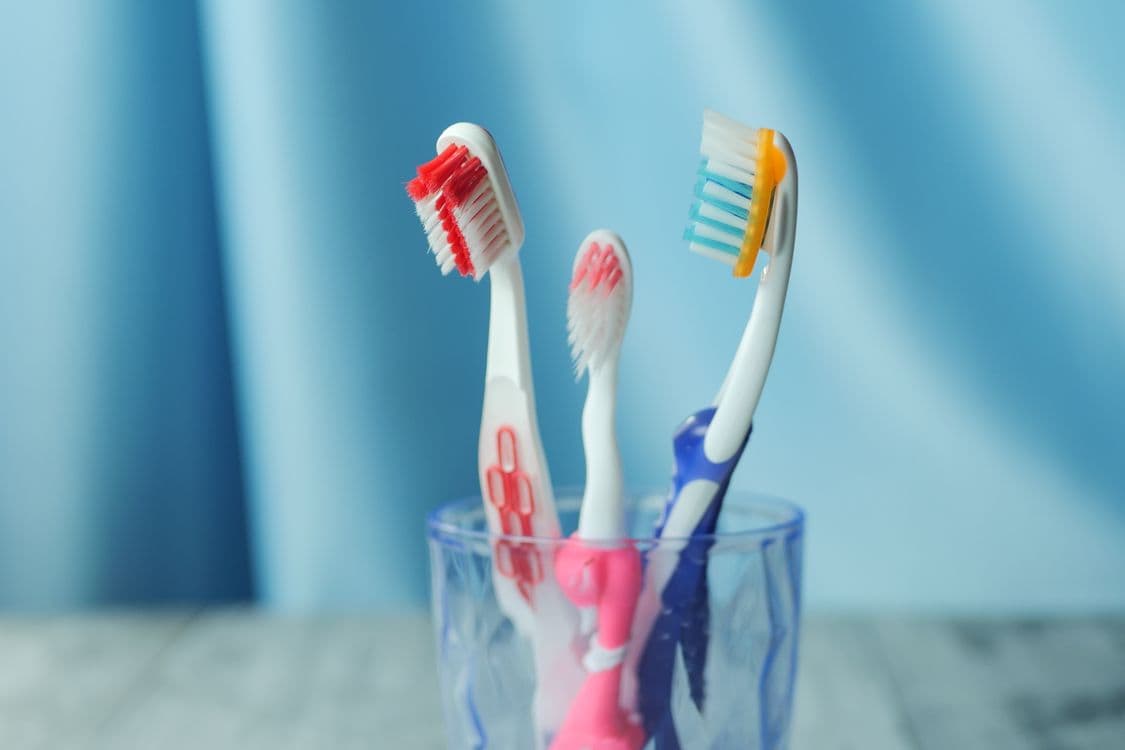
Your Baby's First Dental Visit: A Complete Guide for Parents in Vadodara
Most parents are surprised to learn that a child's first dental visit should happen by their first birthday — or within six months of their first tooth appearing. Early dental visits are not about treatment; they are about prevention, education, and building a foundation for lifelong oral health.
When Should Your Baby's First Dental Visit Happen?
The American Academy of Pediatric Dentistry and the Indian Dental Association both recommend that a child's first dental visit should occur by age one or within six months of the first tooth appearing — whichever comes first. For most babies, the first tooth erupts between six and ten months of age.
This recommendation surprises many parents who assume dental visits are only necessary once a child has a full set of teeth. However, early dental visits serve a critically important purpose — they allow the pediatric dentist to identify potential problems before they develop, educate parents about proper infant oral care, and establish a positive dental experience before any treatment is ever needed.
At Ashirvad Dental Clinic in Subhanpura, Vadodara, Dr. Adrija Buch specializes in making these early visits comfortable, informative, and stress-free for both babies and parents. The goal of the first visit is not treatment — it is building a foundation of trust and prevention.
Why Baby Teeth Matter More Than You Think
A common misconception among parents is that baby teeth are not important because they will eventually fall out. This belief can lead to neglect that causes serious problems for the child's developing oral health.
Baby teeth serve essential functions that directly affect permanent teeth and overall development. They hold space in the jaw for permanent teeth, guiding them into correct positions as they erupt. If baby teeth are lost prematurely due to decay, the surrounding teeth shift into the gap, potentially causing crowding, misalignment, and the need for orthodontic treatment later.
Baby teeth are also essential for proper speech development, nutrition, and self-esteem. Children with decayed or missing front teeth may have difficulty pronouncing certain sounds, struggle to chew nutritious foods properly, and feel self-conscious around peers.
Infections in baby teeth can spread to developing permanent teeth beneath the gums, causing damage before those teeth even erupt. Protecting baby teeth is protecting the permanent smile that follows.
What Happens During the First Dental Visit
The first dental visit is designed to be gentle, brief, and entirely focused on the baby's comfort. At Ashirvad Dental Clinic, Dr. Adrija Buch follows a child-friendly approach that prioritizes building a positive association with dental care from the very beginning.
The visit typically begins with the baby sitting on the parent's lap while the dentist performs a gentle visual examination of the teeth, gums, and oral tissues. There are no drills, no injections, and no uncomfortable procedures during this initial visit.
The dentist checks for early signs of decay, examines the gum tissue, assesses how the teeth are erupting, and looks for any developmental concerns. The bite relationship and jaw development are also evaluated to identify potential issues that may need monitoring as the child grows.
Parents receive personalized guidance on cleaning the baby's teeth, proper bottle and breastfeeding practices, when to introduce fluoride toothpaste, pacifier habits, and dietary recommendations for healthy tooth development. This education component is often the most valuable part of the visit.
How to Prepare Your Baby for the First Visit
Preparation is key to making the first dental visit a positive experience. Choose a morning appointment when your baby is typically well-rested, fed, and in a good mood. Avoid scheduling during nap time or when the baby is likely to be hungry or irritable.
Bring your baby's favourite toy or comfort object to the appointment. Familiar items help babies feel secure in new environments. Also bring a list of any concerns or questions you have about your baby's oral development, feeding habits, or teething patterns.
Keep your own anxiety in check. Babies are remarkably sensitive to parental emotions. If you appear calm and relaxed, your baby is far more likely to remain comfortable during the visit. Avoid using words like "pain" or "hurt" even in casual conversation — maintain a positive tone about the experience.
Do not worry if your baby cries during the examination. Brief crying during a new experience is completely normal and does not indicate that anything harmful is happening. An experienced pediatric dentist knows how to work efficiently and gently, keeping the examination as brief as possible.
Common Baby Dental Concerns Parents Ask About
Teething discomfort is one of the most frequent concerns parents raise. Symptoms typically include drooling, irritability, swollen gums, and the desire to chew on objects. Cold teething rings, gentle gum massage with a clean finger, and age-appropriate teething remedies can provide relief. Avoid teething gels containing benzocaine for children under two years of age.
Bottle decay — also called baby bottle tooth decay or early childhood caries — occurs when babies fall asleep with bottles containing milk, formula, or juice. The sugary liquid pools around the teeth for hours, creating ideal conditions for rapid decay. The upper front teeth are most commonly affected. To prevent this, never put your baby to bed with a bottle of anything other than plain water.
Thumb-sucking and pacifier use are natural soothing behaviours for infants. These habits are generally not a concern before age two or three. However, prolonged habits beyond this age can affect tooth alignment and jaw development. Your pediatric dentist can advise on appropriate timing and gentle strategies for breaking these habits.
Eruption timing varies significantly between children. Some babies get their first tooth at four months, while others may not see a tooth until after their first birthday. Both scenarios are usually within the normal range. However, if no teeth have appeared by fifteen months, a dental evaluation is recommended to ensure normal development.
Caring for Your Baby's Teeth at Home
Oral care should begin even before the first tooth appears. After each feeding, gently wipe your baby's gums with a clean, damp gauze pad or soft washcloth. This removes milk residue and bacteria, and also gets your baby accustomed to having their mouth cleaned.
Once the first tooth appears, begin brushing with a soft-bristled infant toothbrush and a rice-grain-sized smear of fluoride toothpaste. Brush gently twice daily — morning and bedtime. The small amount of fluoride toothpaste is safe even if swallowed and provides essential protection against early decay.
As more teeth erupt and begin to touch each other, introduce flossing between teeth that are in contact. Your pediatric dentist can demonstrate proper technique during your visits.
Avoid sharing spoons, blowing on food, or cleaning pacifiers in your own mouth. Cavity-causing bacteria can be transferred from parent to child through saliva. This is one of the most common and least known ways that children develop early cavities.
Building a Positive Dental Routine
The first dental visit sets the tone for your child's relationship with dental care for years to come. Regular checkups every six months from age one allow the dentist to monitor development, catch problems early, and apply preventive treatments like fluoride varnish when appropriate.
Children who visit the dentist regularly from an early age are significantly less likely to develop dental anxiety as they grow older. They view dental visits as a normal, positive part of their healthcare routine rather than something to fear.
At Ashirvad Dental Clinic, Dr. Adrija Buch creates a warm, child-friendly environment where babies and toddlers feel welcome. With over 2,000 pediatric cases handled and specialized training in painless pediatric techniques and nitrous sedation, she ensures that every young patient's dental journey begins on the right note.
Parents across Subhanpura, Alkapuri, Akota, Gotri, Manjalpur, and surrounding areas in Vadodara trust Ashirvad Dental Clinic for expert pediatric dental care that prioritizes prevention, comfort, and long-term oral health.
Your baby's first dental visit is one of the most important steps you can take for their long-term oral health. Starting early means catching problems before they develop, learning proper care techniques, and building a positive association with dental visits that lasts a lifetime. If your baby has gotten their first tooth or is approaching their first birthday, now is the ideal time to schedule that first appointment. Visit Ashirvad Dental Clinic in Subhanpura, Vadodara for expert pediatric dental care from a specialist who truly understands children.
Related Services at Ashirvad Dental Clinic
Ready to take the next step?
Book a consultation with our specialists at Ashirvad Dental Clinic, Subhanpura.
More Articles
Teeth Grinding (Bruxism): Signs You Are Doing It and How to Stop
Do you wake up with a sore jaw, headaches, or worn-down teeth? You may be grinding your teeth at night without even knowing it. Bruxism affects millions of Indians and can cause serious dental damage if left untreated. Here is how to recognise the signs and protect your teeth.
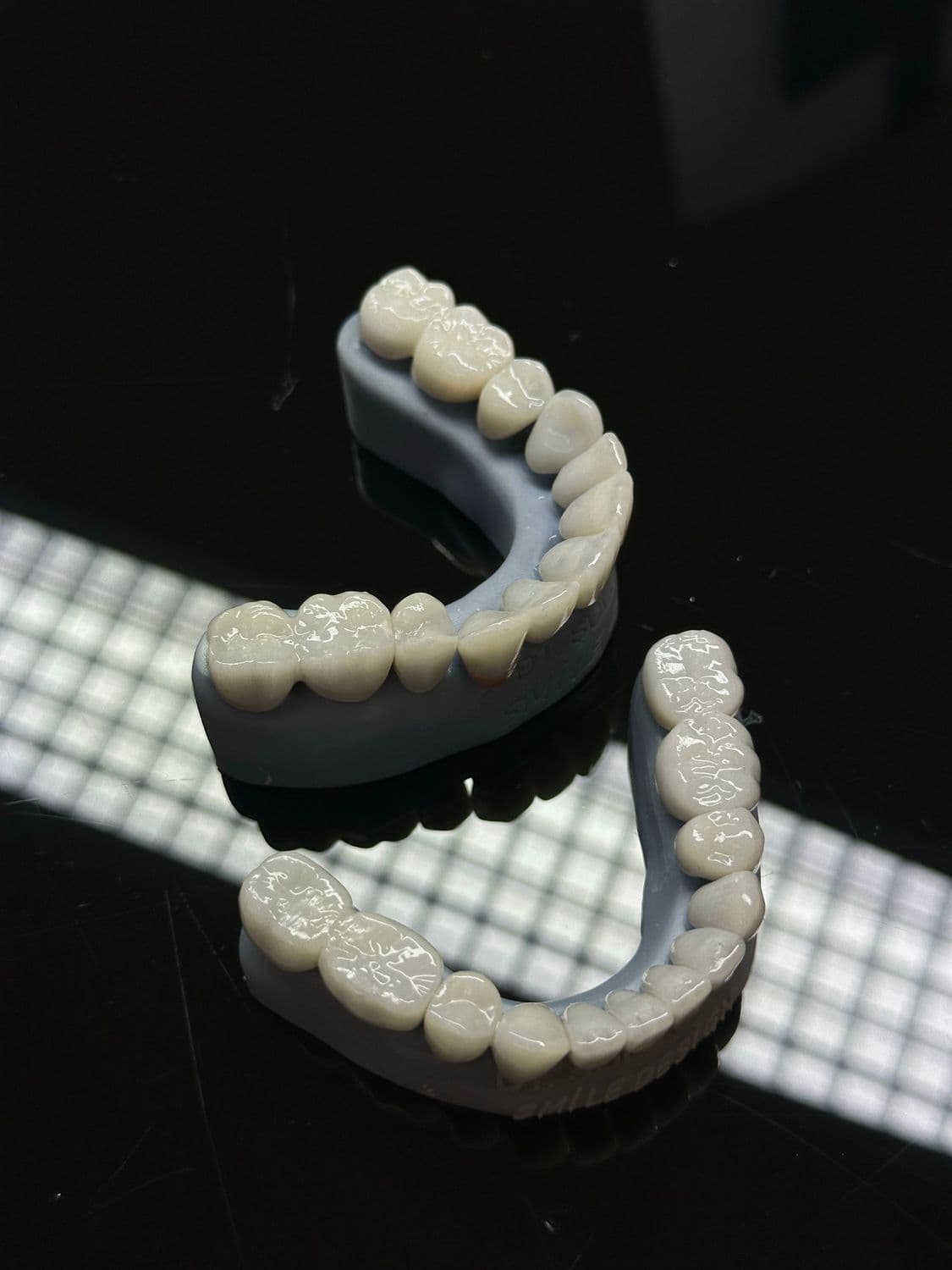
Full Mouth Rehabilitation: Restoring Your Complete Smile with Dental Implants in Vadodara
Missing multiple teeth or struggling with failing dental work? Full mouth rehabilitation using dental implants can restore your complete smile, chewing ability, and confidence in a single treatment plan. Here is everything you need to know about this life-changing procedure.
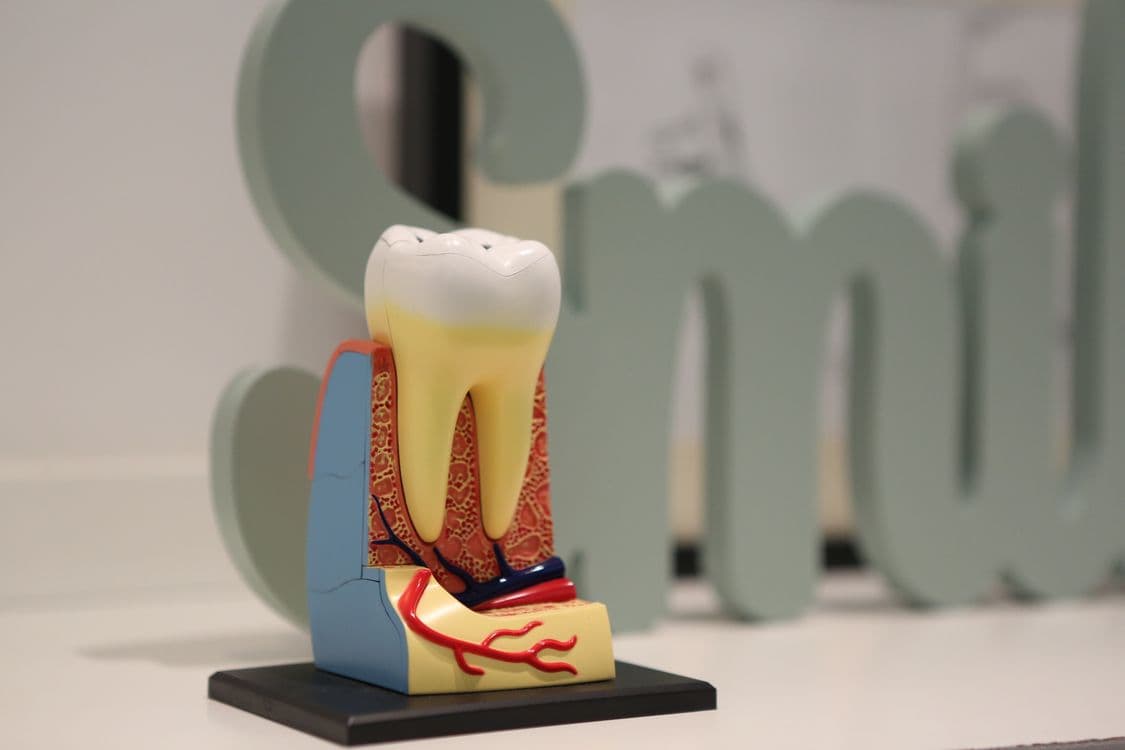
Dental Anxiety? How Pain-Free Dentistry Actually Works in 2026
Fear of the dentist prevents millions of Indians from seeking dental care until small problems become serious emergencies. Modern pain-free dentistry has changed dramatically — here is how advanced techniques at specialist clinics make dental visits genuinely comfortable.
Dental Implant Cost in Vadodara 2026: Complete Price Guide and What to Expect
Wondering how much dental implants cost in Vadodara? The price depends on the type of implant, number of teeth, bone condition, and the clinic you choose. Here is a transparent, detailed guide to help you understand implant pricing and make an informed decision.