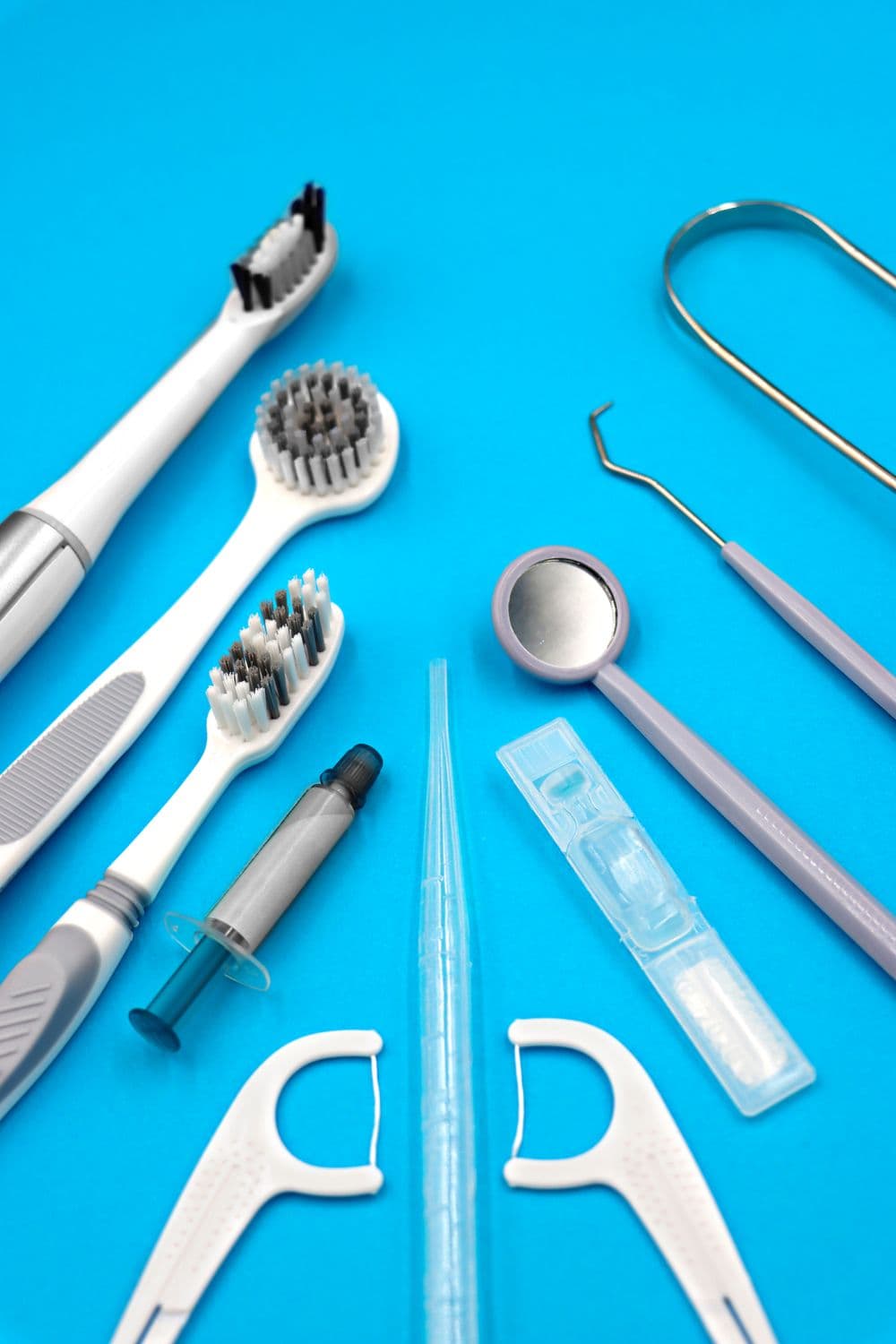
Gum Recession: Why Your Teeth Look Longer and What to Do Before It Gets Worse
Have you noticed your teeth looking longer than they used to, or sensitivity near the gum line? Gum recession is a slow, progressive condition that many people ignore until significant damage has occurred. Understanding the causes and early treatment options can save your teeth.
What Is Gum Recession and Why Should You Care?
Gum recession occurs when the gum tissue surrounding your teeth gradually pulls back or wears away, exposing more of the tooth — and eventually the tooth root. As gums recede, gaps or 'pockets' form between the teeth and gum line, making it easy for disease-causing bacteria to accumulate.
Recession happens slowly, often over years, which is why many people do not notice it until significant tissue has been lost. By the time teeth start looking visibly longer or sensitivity develops near the gum line, the recession has already progressed beyond the earliest stages.
If left untreated, gum recession leads to root surface cavities (root surfaces are softer and more cavity-prone than enamel), increased tooth sensitivity to hot, cold, and sweet, bone loss around affected teeth, tooth loosening and eventual tooth loss, and aesthetic concerns as the smile line changes.
Common Causes of Gum Recession
Understanding the cause of your recession is essential for effective treatment and preventing further damage.
Aggressive brushing is one of the most common causes in younger patients. Brushing too hard with a stiff-bristled toothbrush literally scrubs the gum tissue away over years. Many people believe harder brushing means cleaner teeth, but the opposite is true — gentle circular motions with a soft brush clean more effectively without damaging gums.
Periodontal disease (gum disease) is the leading cause overall. Bacterial infection destroys gum tissue and the underlying bone that supports teeth. This process is painless in its early stages, which is why regular dental check-ups are critical.
Genetics play a significant role. Some people are predisposed to thinner gum tissue that recedes more easily, regardless of their oral hygiene habits.
Teeth grinding and clenching places excessive force on teeth and gums, accelerating recession. Misaligned teeth or an uneven bite can create localised excessive forces that cause recession in specific areas.
Tobacco use reduces blood flow to the gums, impairs healing, and significantly increases the risk and severity of recession.
Treatment Options for Receding Gums
Treatment depends on the cause and severity of recession. For mild recession caused by aggressive brushing, switching to a soft-bristled toothbrush and proper technique may be sufficient to stop further progression. Desensitising treatments and fluoride application can address sensitivity.
For recession caused by gum disease, scaling and root planing (deep cleaning) removes bacterial deposits below the gum line, allowing gums to heal and reattach to the tooth surface.
For moderate to severe recession, surgical options may be recommended. Gum grafting takes tissue from another area of your mouth (usually the palate) and attaches it over the exposed root, restoring the gum line and protecting the root surface. Pinhole surgical technique is a minimally invasive alternative where small holes are made in the gum tissue and the existing gum is gently repositioned over the exposed roots.
At Ashirvad Dental Clinic in Subhanpura, Vadodara, we evaluate each case individually and recommend the most conservative effective approach. Surgery is only recommended when non-surgical treatments are insufficient.
Preventing Further Recession
Whether or not you have already experienced some recession, these habits protect your gums from further damage. Use a soft-bristled toothbrush and brush gently in circular motions — never scrub back and forth aggressively. An electric toothbrush with a pressure sensor is an excellent investment as it alerts you when you are pressing too hard.
Floss daily to remove plaque from between teeth and below the gum line where your brush cannot reach. Bacteria that accumulate in these areas cause the gum inflammation that leads to recession.
If you grind your teeth, get a custom night guard from your dentist. The guard protects both your enamel and your gums from the excessive forces of grinding.
Quit tobacco. Smoking and chewing tobacco are among the strongest risk factors for gum recession and gum disease. Quitting significantly improves gum health, often within months.
Maintain regular dental check-ups every six months. Professional cleaning removes the hardened tartar that home brushing cannot, and your dentist can detect early recession before it becomes visible or symptomatic.
Patients from across Vadodara — Subhanpura, Gorwa, Alkapuri, Akota, Karelibaug, Wadi, and surrounding areas — visit Ashirvad Dental Clinic for comprehensive gum care from our specialist team.
Gum recession is a slow but serious condition that gets progressively harder and more expensive to treat the longer it is ignored. If you have noticed your teeth looking longer, increased sensitivity near the gum line, or bleeding when you brush, schedule an evaluation before more damage occurs. Visit Ashirvad Dental Clinic in Subhanpura, Vadodara — call +91 74061 27475 for a thorough gum health assessment.
Related Services at Ashirvad Dental Clinic
Ready to take the next step?
Book a consultation with our specialists at Ashirvad Dental Clinic, Subhanpura.
More Articles

What Is the Right Age for Braces? A Guide for Parents in Vadodara
Should your child get braces at eight, twelve, or wait until all permanent teeth come in? Timing orthodontic treatment correctly can mean shorter treatment, better results, and lower costs. Here is when to start — and when to wait.
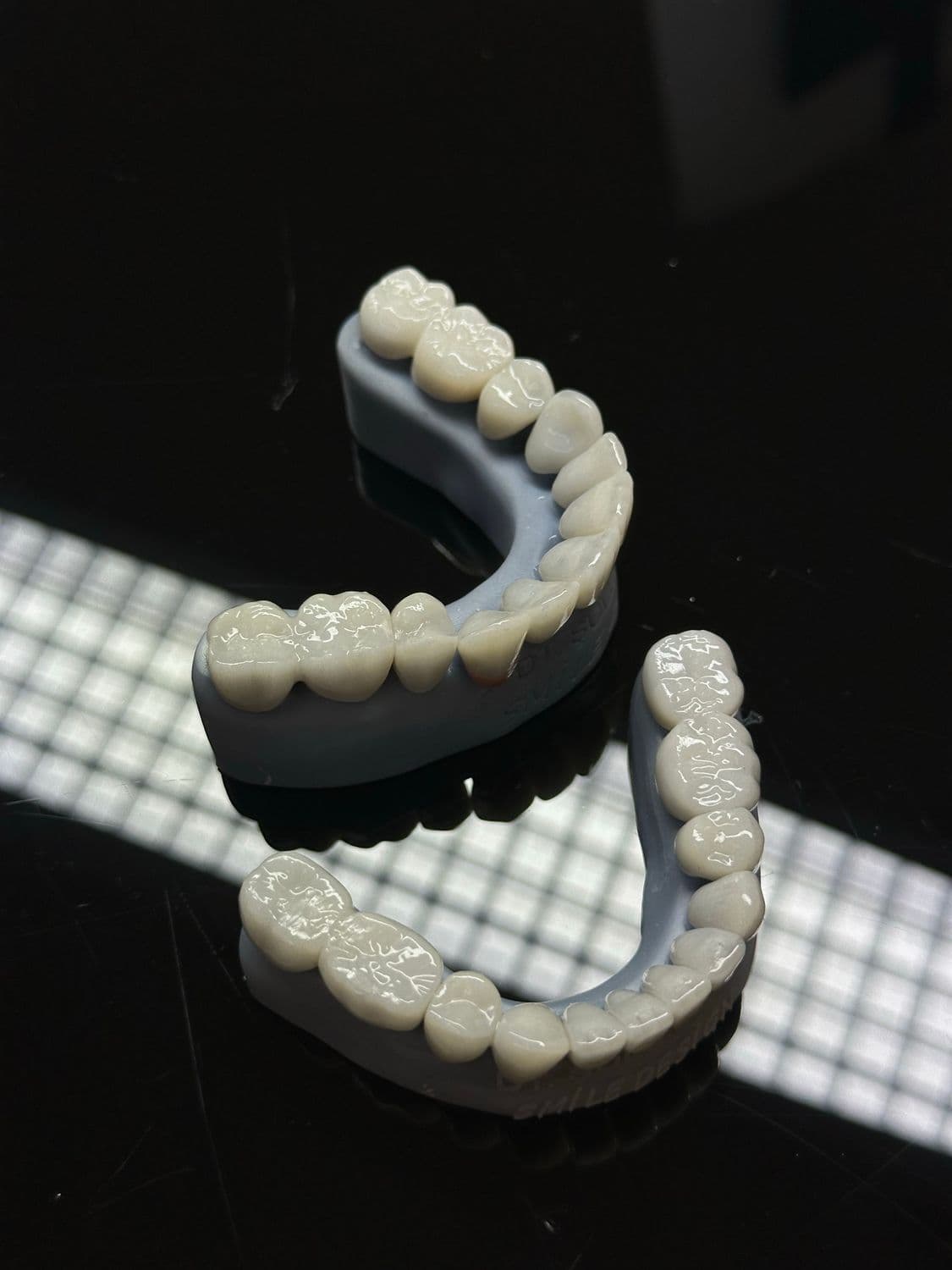
Dental Crowns in 2026: When You Need One, Types Available, and What to Expect
A dental crown protects a weakened tooth, restores a broken one, or covers a dental implant. With several materials available — ceramic, zirconia, metal-ceramic — choosing the right crown matters for longevity and appearance. Here is your complete guide.
Navratri and Festive Dental Tips: Protect Your Teeth During the Celebration Season
Navratri brings late nights, fasting routines, and plenty of sugary prasad. While you celebrate, your teeth face extra challenges. Here are practical tips to enjoy the festivities without compromising your dental health.

How Sugar Destroys Your Teeth: The Science Behind Cavities and What to Do About It
Everyone knows sugar is bad for teeth — but few understand exactly how it causes cavities. Understanding the science helps you make smarter dietary choices that genuinely protect your teeth. Here is what happens inside your mouth every time you eat something sweet.