
How Sugar Destroys Your Teeth: The Science Behind Cavities and What to Do About It
Everyone knows sugar is bad for teeth — but few understand exactly how it causes cavities. Understanding the science helps you make smarter dietary choices that genuinely protect your teeth. Here is what happens inside your mouth every time you eat something sweet.
The Acid Attack: What Happens When Sugar Meets Your Teeth
Sugar itself does not directly damage your teeth — the bacteria in your mouth do. Here is the chain of events that leads to a cavity:
Your mouth naturally contains hundreds of species of bacteria, some beneficial and some harmful. When you eat or drink something containing sugar, the harmful bacteria (primarily Streptococcus mutans) feed on that sugar and produce acid as a byproduct.
This acid lowers the pH in your mouth, creating an acidic environment that dissolves the minerals in your tooth enamel — a process called demineralisation. Each acid attack lasts about twenty to thirty minutes after you finish eating the sugary food.
Your saliva naturally neutralises this acid and helps remineralise the enamel by depositing calcium and phosphate back into the tooth surface. However, if acid attacks happen too frequently — from constant snacking or sipping sweet drinks throughout the day — your saliva cannot keep up. The enamel breaks down faster than it can repair itself, and a cavity forms.
Why Frequency Matters More Than Quantity
This is the crucial insight that most people miss: it is not the amount of sugar you eat but how often you eat it that determines cavity risk.
Eating a large piece of cake after lunch produces one acid attack lasting about thirty minutes. Your saliva then has hours to neutralise the acid and begin repair before the next meal.
But sipping a sweet chai every hour, nibbling biscuits between meals, and sucking on candy throughout the afternoon creates five or six separate acid attacks — each lasting thirty minutes. Your teeth spend most of the day under acid attack with almost no recovery time.
This is why a child who eats a chocolate after dinner has less cavity risk than a child who sips fruit juice throughout the school day. And why office workers who keep a jar of sweets at their desk often develop more cavities than those who eat dessert only after meals.
Hidden Sugars That Are Damaging Your Teeth
Many foods marketed as healthy contain significant amounts of sugar that feed cavity-causing bacteria. Fruit juices — even 100% fruit juice with no added sugar — contain natural sugars and acids that damage enamel. Dried fruits like raisins and dates are extremely sticky and cling to teeth for hours, providing a prolonged sugar supply for bacteria.
Flavoured yogurt can contain as much sugar as a candy bar. Breakfast cereals marketed to children are often coated in sugar. Energy drinks and sports beverages combine sugar with acid, creating a double threat to enamel. Tomato sauce, barbecue sauce, and many salad dressings contain added sugar.
Even staple foods like white rice, bread, and chapati break down into simple sugars in the mouth. While these are essential parts of the Indian diet, following meals with water rinsing and proper brushing helps minimise their cavity-causing potential.
Practical Tips to Protect Your Teeth Without Giving Up Sweets
Complete sugar elimination is neither practical nor necessary. These strategies minimise cavity risk while allowing you to enjoy your diet:
Concentrate sweet eating to mealtimes rather than between meals. The extra saliva produced during meals helps neutralise acids and wash away food particles. If you crave something sweet between meals, choose it at a single snack time rather than grazing all afternoon.
Drink water after eating anything sweet. A few sips of plain water help rinse sugar off tooth surfaces and begin diluting the acid. Chewing sugar-free gum for twenty minutes after meals stimulates saliva flow and accelerates acid neutralisation.
Replace sugary drinks with water, plain milk, or unsweetened tea. If you must have a sweet drink, consume it quickly rather than sipping over an extended period, and use a straw to minimise contact with teeth.
Brush your teeth thirty minutes after consuming something acidic — not immediately. Brushing acid-softened enamel causes additional erosion. Rinse with water first, wait, then brush.
Professional Prevention at Ashirvad Dental Clinic
At Ashirvad Dental Clinic in Subhanpura, Vadodara, our preventive approach includes regular check-ups to detect early demineralisation before it becomes a visible cavity, professional fluoride treatments that strengthen enamel and reverse early-stage damage, dental sealants for children and adults to protect cavity-prone tooth surfaces, personalised dietary counselling based on your specific eating habits and risk factors, and professional cleaning to remove plaque and tartar that home brushing misses.
Dr. Adrija Buch and Dr. Manan Buch believe that prevention is always better than treatment. A thirty-minute preventive visit every six months costs far less than a single filling or root canal — and keeps your teeth healthy for life. Families from across Vadodara trust our specialist team for comprehensive preventive dental care.
Understanding how sugar causes cavities empowers you to make smarter dietary choices without eliminating sweets entirely. Focus on reducing frequency rather than quantity, rinse with water after sweet foods, and maintain regular dental check-ups for early detection and professional prevention. Schedule your preventive check-up at Ashirvad Dental Clinic in Subhanpura, Vadodara — call +91 74061 27475.
Related Services at Ashirvad Dental Clinic
Ready to take the next step?
Book a consultation with our specialists at Ashirvad Dental Clinic, Subhanpura.
More Articles
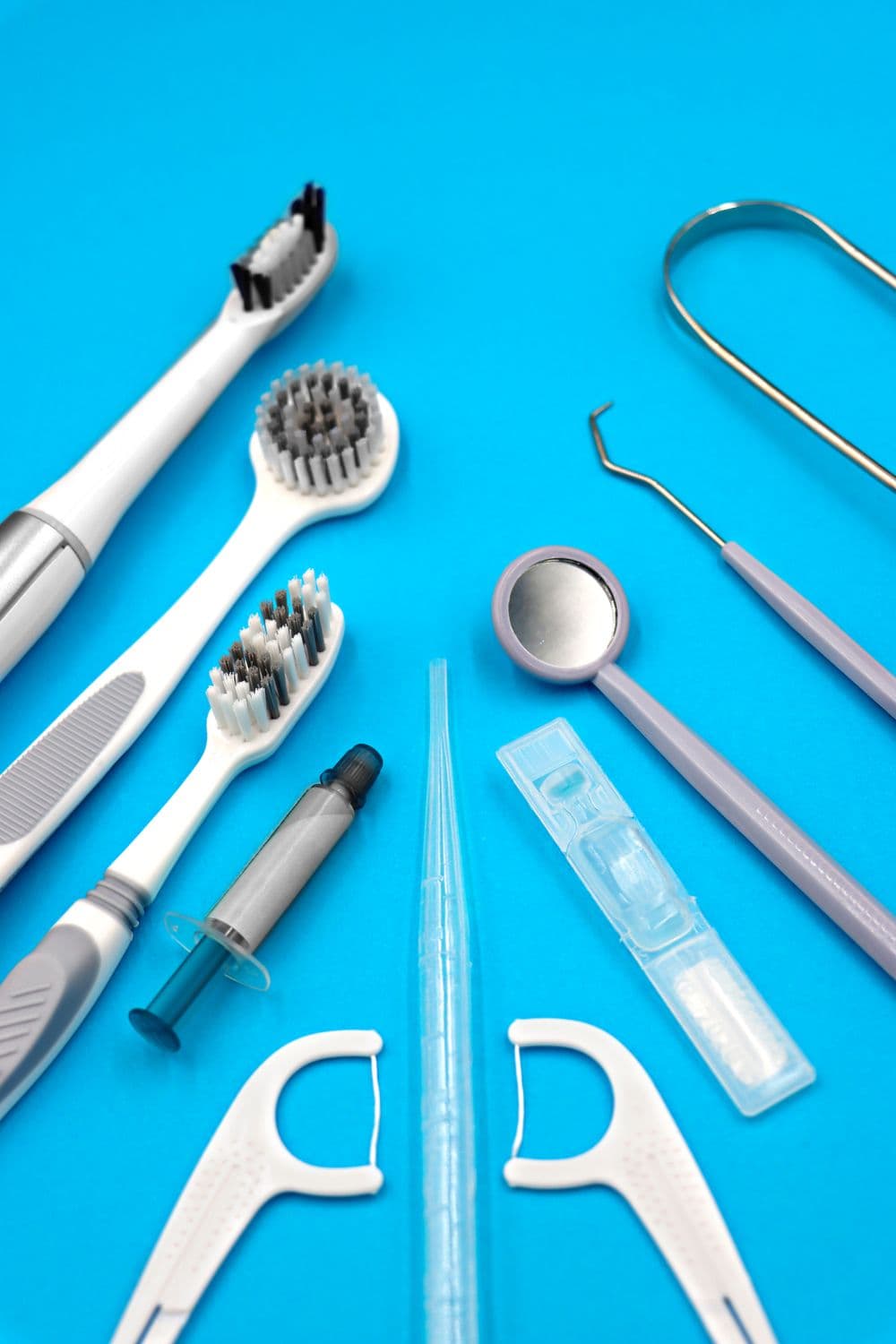
Gum Recession: Why Your Teeth Look Longer and What to Do Before It Gets Worse
Have you noticed your teeth looking longer than they used to, or sensitivity near the gum line? Gum recession is a slow, progressive condition that many people ignore until significant damage has occurred. Understanding the causes and early treatment options can save your teeth.

What Is the Right Age for Braces? A Guide for Parents in Vadodara
Should your child get braces at eight, twelve, or wait until all permanent teeth come in? Timing orthodontic treatment correctly can mean shorter treatment, better results, and lower costs. Here is when to start — and when to wait.
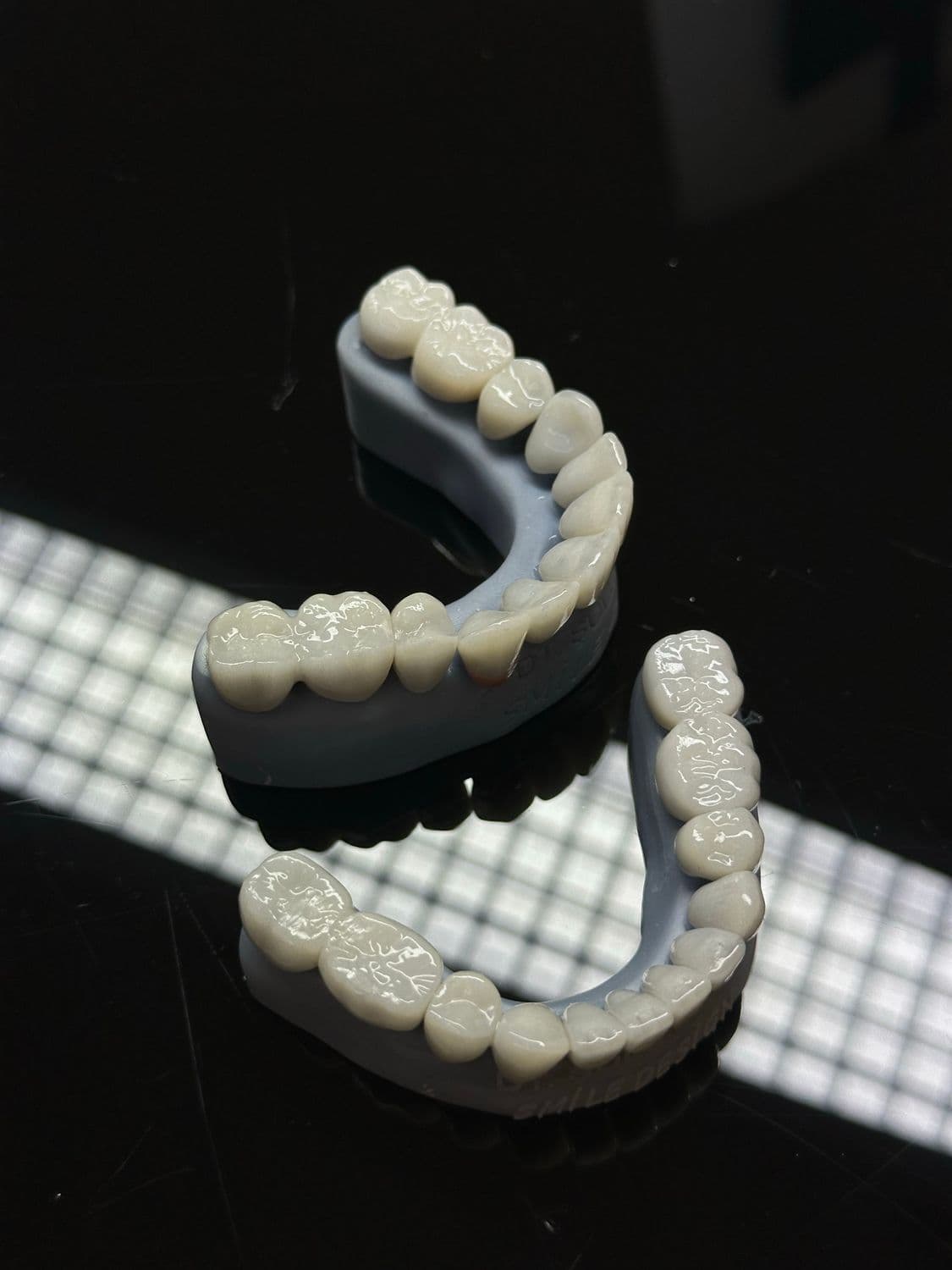
Dental Crowns in 2026: When You Need One, Types Available, and What to Expect
A dental crown protects a weakened tooth, restores a broken one, or covers a dental implant. With several materials available — ceramic, zirconia, metal-ceramic — choosing the right crown matters for longevity and appearance. Here is your complete guide.
Navratri and Festive Dental Tips: Protect Your Teeth During the Celebration Season
Navratri brings late nights, fasting routines, and plenty of sugary prasad. While you celebrate, your teeth face extra challenges. Here are practical tips to enjoy the festivities without compromising your dental health.