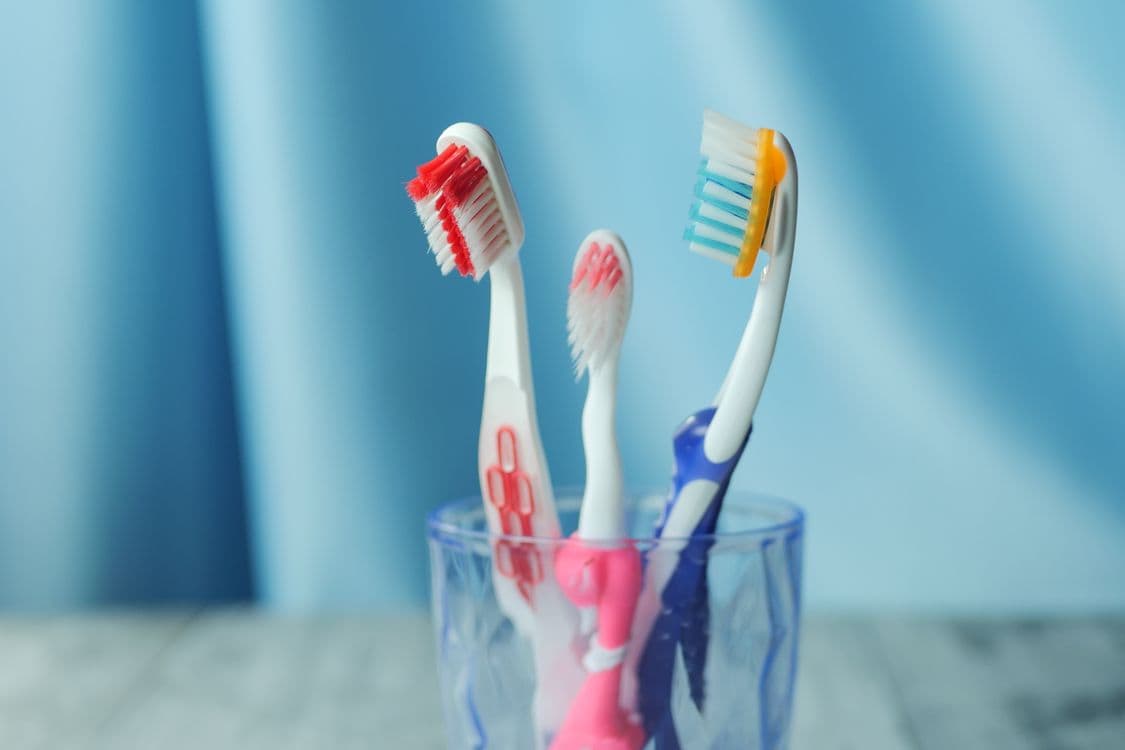
Why Are Cavities So Common in Indian Children? A Dentist's Guide to Prevention
India has one of the highest rates of childhood dental cavities in the world. Diet, lack of awareness, and delayed dental visits are the main culprits. Here is what parents in Vadodara need to know to protect their children's teeth — and what actually works.
The Scale of the Problem: Childhood Cavities in India
Studies consistently show that over sixty percent of Indian children under age fourteen have dental cavities. In some regions, the figure exceeds eighty percent. Dental caries is the single most common chronic childhood disease in India — more prevalent than asthma, allergies, or malnutrition.
The reasons are multifactorial: a diet naturally high in sugar and refined carbohydrates, limited access to fluoridated water in many areas, cultural practices like feeding children honey or sugar water, delayed first dental visits, and widespread misconceptions about baby teeth not being important.
At Ashirvad Dental Clinic in Subhanpura, Vadodara, Dr. Adrija Buch (MDS — Pediatric Dentistry) sees the consequences daily — children in pain from advanced cavities that could have been prevented with simple measures started early.
The Indian Diet and Cavity Risk
Traditional Indian diets include many foods that are excellent for general health but challenging for teeth. Rice, chapati, and other starchy foods break down into sugars in the mouth. Frequent consumption of mithai, biscuits, chocolates, and sugary beverages between meals creates an acidic environment that attacks tooth enamel repeatedly throughout the day.
The problem is not just what children eat but how often they eat it. Every time sugar enters the mouth, acid-producing bacteria create an acidic environment that lasts about thirty minutes. If a child snacks on sugary items five times between meals, their teeth face five separate acid attacks — far more damage than eating the same amount of sugar in one sitting.
Practical changes that reduce cavity risk include limiting sweet snacks to mealtimes only, replacing sugary juices with water or plain milk, choosing cheese, nuts, or fresh fruit over biscuits and candy, and rinsing the mouth with water after every meal.
Prevention Strategies That Actually Work
Brushing twice daily with fluoride toothpaste is the single most effective cavity prevention measure. For children under three years, use a rice-grain-sized smear of fluoride toothpaste. For ages three to six, a pea-sized amount. Parents should brush for children under six and supervise until age eight.
Professional fluoride application by a paediatric dentist provides concentrated protection that strengthens enamel and makes teeth more resistant to acid attacks. We recommend fluoride treatment every six months for cavity-prone children.
Dental sealants are thin protective coatings applied to the chewing surfaces of back teeth (molars), where most childhood cavities develop. Sealants block food and bacteria from getting trapped in the deep grooves of these teeth. The application is painless, takes just a few minutes per tooth, and provides years of protection.
Regular dental check-ups every six months allow early detection of cavities when they are small and easy to treat. A tiny cavity caught during a routine visit costs a fraction of what an advanced cavity requires for treatment.
Common Mistakes Parents Make
Believing baby teeth do not matter is the most damaging misconception. Baby teeth hold space for permanent teeth. If a baby tooth is lost prematurely to decay, the surrounding teeth shift, causing crowding and alignment problems that require expensive orthodontic treatment later.
Using a bottle of milk or juice as a sleep aid causes 'baby bottle tooth decay' — severe cavities affecting multiple front teeth. Never put a child to bed with a bottle containing anything other than water.
Waiting until the child complains of pain before visiting a dentist means the cavity has already progressed to an advanced stage. By the time a child feels pain, the decay has often reached the nerve, requiring a more complex and costly treatment.
Assuming that brushing alone is enough — even perfect brushing cannot reach all surfaces. Professional cleaning, fluoride application, and sealants provide layers of protection that home care alone cannot achieve.
When to Bring Your Child for Their First Dental Visit
The recommended age for a child's first dental visit is one year — or within six months of the first tooth appearing. This may seem early, but the purpose is preventive: establishing a baseline, educating parents on proper oral care, and catching any issues before they develop.
At Ashirvad Dental Clinic, Dr. Adrija Buch makes first visits fun and stress-free. There is no drilling or treatment at the first visit — just a gentle examination, parent education, and building a positive association with the dental environment.
After the first visit, regular six-monthly check-ups keep your child's dental development on track. Children who visit the dentist regularly develop less anxiety, fewer cavities, and better oral hygiene habits that last a lifetime.
Families from across Vadodara — Subhanpura, Gorwa, Alkapuri, Akota, Gotri, Karelibaug, Manjalpur, and surrounding areas — trust Dr. Adrija with their children's dental health because she combines specialist expertise with a genuinely child-friendly approach.
Childhood cavities are largely preventable with the right knowledge and consistent habits. Start dental visits early, brush with fluoride toothpaste twice daily, limit sugary snacking, and invest in professional fluoride treatments and sealants. If your child has not seen a dentist recently, schedule a check-up at Ashirvad Dental Clinic in Subhanpura, Vadodara — call +91 74061 27475 to book an appointment with Dr. Adrija Buch.
Related Services at Ashirvad Dental Clinic
Ready to take the next step?
Book a consultation with our specialists at Ashirvad Dental Clinic, Subhanpura.
More Articles

Gum Recession: Why Your Teeth Look Longer and What to Do Before It Gets Worse
Have you noticed your teeth looking longer than they used to, or sensitivity near the gum line? Gum recession is a slow, progressive condition that many people ignore until significant damage has occurred. Understanding the causes and early treatment options can save your teeth.

What Is the Right Age for Braces? A Guide for Parents in Vadodara
Should your child get braces at eight, twelve, or wait until all permanent teeth come in? Timing orthodontic treatment correctly can mean shorter treatment, better results, and lower costs. Here is when to start — and when to wait.
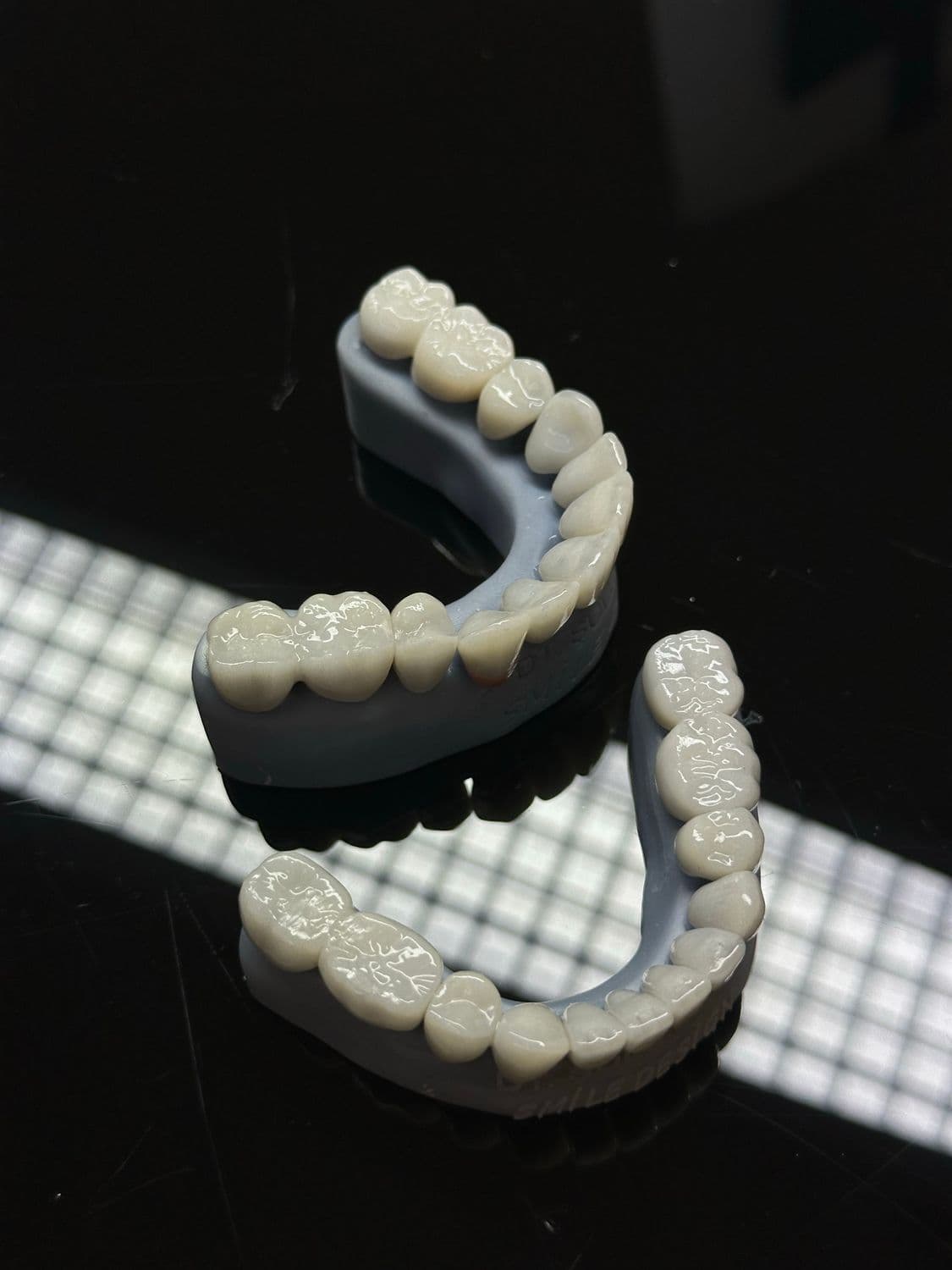
Dental Crowns in 2026: When You Need One, Types Available, and What to Expect
A dental crown protects a weakened tooth, restores a broken one, or covers a dental implant. With several materials available — ceramic, zirconia, metal-ceramic — choosing the right crown matters for longevity and appearance. Here is your complete guide.
Navratri and Festive Dental Tips: Protect Your Teeth During the Celebration Season
Navratri brings late nights, fasting routines, and plenty of sugary prasad. While you celebrate, your teeth face extra challenges. Here are practical tips to enjoy the festivities without compromising your dental health.