Dental Care During Pregnancy: What Every Expecting Mother in Vadodara Should Know
Pregnancy brings extraordinary changes to your body — and your oral health is no exception. Hormonal shifts can trigger gum problems, increase cavity risk, and worsen existing dental issues. Yet many expecting mothers avoid the dentist out of fear that treatment might harm their baby. Here is what science actually says.
How Pregnancy Affects Your Oral Health
Pregnancy triggers significant hormonal changes — particularly increases in oestrogen and progesterone — that directly affect oral tissues. These hormonal shifts increase blood flow to the gums, alter the body's immune response to bacteria, and change the composition of saliva, creating conditions that make dental problems more likely during pregnancy.
Pregnancy gingivitis is the most common oral health issue, affecting up to seventy-five percent of pregnant women. The condition typically appears between the second and eighth month of pregnancy and is characterised by red, swollen, tender gums that bleed easily during brushing or flossing. Without proper management, pregnancy gingivitis can progress to more serious periodontal disease.
Morning sickness introduces another dental concern. Frequent vomiting exposes teeth to strong stomach acids that erode enamel over time. Women experiencing severe morning sickness may notice increased tooth sensitivity, discolouration, or roughening of the enamel surface on the inside of the front teeth.
Cravings for sugary or acidic foods — combined with the tendency to snack more frequently during pregnancy — increase the risk of cavity development. Changes in saliva composition during pregnancy may also reduce its natural protective buffering capacity against acids.
Is Dental Treatment Safe During Pregnancy?
One of the most persistent myths in India is that pregnant women should avoid dental treatment entirely. Some families believe that even brushing should be reduced during pregnancy. This misconception leads many women to postpone necessary dental care, often resulting in more serious problems that are harder to treat later.
The reality is clear — dental treatment during pregnancy is not only safe but actively recommended by major health organisations worldwide, including the American Dental Association, the Indian Dental Association, and the American College of Obstetricians and Gynecologists.
Routine dental checkups and professional cleanings are safe throughout all three trimesters and are strongly encouraged. Preventive care during pregnancy helps control the bacterial levels that cause gum disease and cavities, protecting both mother and baby.
Emergency treatments — including fillings, root canals, and extractions — can be safely performed during pregnancy when necessary. Leaving an infected or painful tooth untreated poses a greater risk to the pregnancy than the treatment itself. Dental infections can cause systemic inflammation, and the stress and pain from untreated dental problems can negatively affect both mother and fetus.
The Best Time for Dental Treatment During Pregnancy
While dental care is safe throughout pregnancy, the second trimester — weeks fourteen through twenty-eight — is generally considered the most comfortable window for elective dental procedures.
During the first trimester, organogenesis — the critical period of fetal organ development — makes many women and their healthcare providers prefer to limit interventions to emergencies only. Morning sickness can also make dental visits uncomfortable during this period.
The second trimester is ideal because morning sickness typically subsides, the risk of spontaneous miscarriage decreases, the pregnant woman is still relatively comfortable sitting in the dental chair, and it provides a window to complete any needed treatment before the third trimester.
During the third trimester, lying on your back for extended periods can become uncomfortable due to the weight of the uterus pressing on major blood vessels. Dental appointments can still be performed but are typically kept shorter, with the patient positioned slightly on her left side for comfort. Elective procedures may be better postponed until after delivery if they are not urgent.
Safe Dental Procedures and Medications During Pregnancy
Local anaesthetics containing lidocaine with epinephrine are considered safe during pregnancy and are the standard for dental procedures. Adequate pain control is important because the stress from untreated pain can be more harmful than the anaesthetic itself.
Dental X-rays can be taken safely during pregnancy when necessary for diagnosis. Modern digital X-rays use minimal radiation, and with proper shielding using a lead apron and thyroid collar, the exposure to the fetus is negligible. However, routine X-rays are typically postponed until after delivery when no immediate clinical need exists.
Paracetamol is the recommended pain reliever during pregnancy. Ibuprofen should be avoided, particularly in the third trimester, as it may affect fetal circulation. Amoxicillin and certain other antibiotics are considered safe for treating dental infections during pregnancy — your dentist will prescribe only medications that have an established safety profile for pregnant patients.
Cosmetic procedures such as teeth whitening, elective veneers, and non-urgent orthodontic adjustments should be postponed until after delivery and breastfeeding. These are not safety concerns but rather a conservative approach to unnecessary chemical exposure during pregnancy.
Oral Hygiene Tips for Expecting Mothers
Maintaining excellent oral hygiene during pregnancy requires some adjustments to your routine. Brush twice daily with a soft-bristled toothbrush and fluoride toothpaste. If morning sickness makes brushing uncomfortable, try using a smaller toothbrush head and a bland-tasting toothpaste. Some women find that brushing later in the morning — after nausea subsides — is easier than brushing immediately upon waking.
After vomiting, do not brush your teeth immediately. The stomach acid temporarily softens enamel, and brushing within thirty minutes can cause additional erosion. Instead, rinse your mouth thoroughly with plain water or a baking soda solution — one teaspoon of baking soda dissolved in a glass of water — to neutralise the acid. Wait at least thirty minutes before brushing.
Floss daily to remove plaque from between teeth where pregnancy-related gum inflammation often begins. If your gums bleed during flossing, do not stop — gentle, consistent flossing actually helps reduce gum inflammation over time. Bleeding that persists after two weeks of regular flossing should be evaluated by your dentist.
Stay well hydrated throughout the day. Water helps maintain saliva production, which neutralises acids and protects teeth. If cravings for sweets are frequent, try to satisfy them with less harmful options like fresh fruit, yogurt, or cheese rather than sticky candies or sugary beverages.
The Link Between Gum Disease and Pregnancy Complications
Research continues to strengthen the evidence connecting untreated gum disease during pregnancy to adverse outcomes. Studies have found associations between severe periodontal disease and preterm birth, low birth weight, and preeclampsia.
The mechanism involves inflammatory markers and oral bacteria entering the bloodstream from infected gum tissue. These can trigger systemic inflammatory responses that may affect the placenta and contribute to premature labour. While gum disease is not the sole cause of these complications, it is a modifiable risk factor that proper dental care can address.
This connection makes preventive dental care during pregnancy not just a matter of oral health but potentially a factor in overall pregnancy outcomes. Professional cleanings, prompt treatment of gum inflammation, and consistent home care can significantly reduce these risks.
Women planning pregnancy should ideally have a comprehensive dental examination and complete any needed treatment before conceiving. Addressing existing dental problems before pregnancy eliminates the need for more complex treatments during pregnancy and ensures the healthiest possible starting point for oral care.
After Delivery: Protecting Your Baby's Oral Health from Day One
Your dental health directly affects your newborn's oral health. Cavity-causing bacteria — primarily Streptococcus mutans — are typically transmitted from mother to child through everyday activities like sharing spoons, tasting food before feeding, blowing on food to cool it, or cleaning a pacifier in your mouth.
Reducing your own bacterial load through good oral hygiene and professional dental care before and during pregnancy decreases the chances of transmitting harmful bacteria to your baby. This is one of the most effective early preventive measures you can take for your child's future dental health.
After delivery, schedule a dental checkup within the first few months to address any issues that developed or worsened during pregnancy. Hormonal changes during breastfeeding can continue to affect gum health, so maintaining regular dental visits remains important postpartum.
Begin your baby's oral care from birth by wiping their gums with a clean, damp cloth after feedings. Schedule your baby's first dental visit by their first birthday or within six months of the first tooth appearing — at Ashirvad Dental Clinic, Dr. Adrija Buch specialises in making these early visits comfortable and educational for new parents.
Pregnancy Dental Care at Ashirvad Dental Clinic
At Ashirvad Dental Clinic in Subhanpura, Vadodara, we provide comprehensive dental care for expecting mothers with a focus on safety, comfort, and prevention. Dr. Adrija Buch understands the unique oral health challenges of pregnancy and works closely with each patient to create a care plan that addresses their specific needs.
The clinic coordinates with obstetricians when needed to ensure dental treatment decisions are fully informed and aligned with each patient's pregnancy care plan. From routine cleanings and gum disease management to emergency treatments when necessary, pregnant patients receive gentle, evidence-based care throughout their pregnancy journey.
Families across Subhanpura, Alkapuri, Akota, Gotri, Manjalpur, and surrounding areas in Vadodara trust Ashirvad Dental Clinic for safe, expert dental care during one of life's most important chapters.
Pregnancy is not a reason to avoid dental care — it is a reason to prioritise it. Hormonal changes make your teeth and gums more vulnerable, and untreated dental problems can affect both your health and your baby's development. Professional dental care during pregnancy is safe, recommended by all major health organisations, and can prevent complications that are far more difficult to treat after they develop. If you are pregnant or planning pregnancy, schedule a dental checkup at Ashirvad Dental Clinic in Subhanpura, Vadodara — healthy mothers build the foundation for healthy smiles.
Related Services at Ashirvad Dental Clinic
Ready to take the next step?
Book a consultation with our specialists at Ashirvad Dental Clinic, Subhanpura.
More Articles
Teeth Grinding (Bruxism): Signs You Are Doing It and How to Stop
Do you wake up with a sore jaw, headaches, or worn-down teeth? You may be grinding your teeth at night without even knowing it. Bruxism affects millions of Indians and can cause serious dental damage if left untreated. Here is how to recognise the signs and protect your teeth.
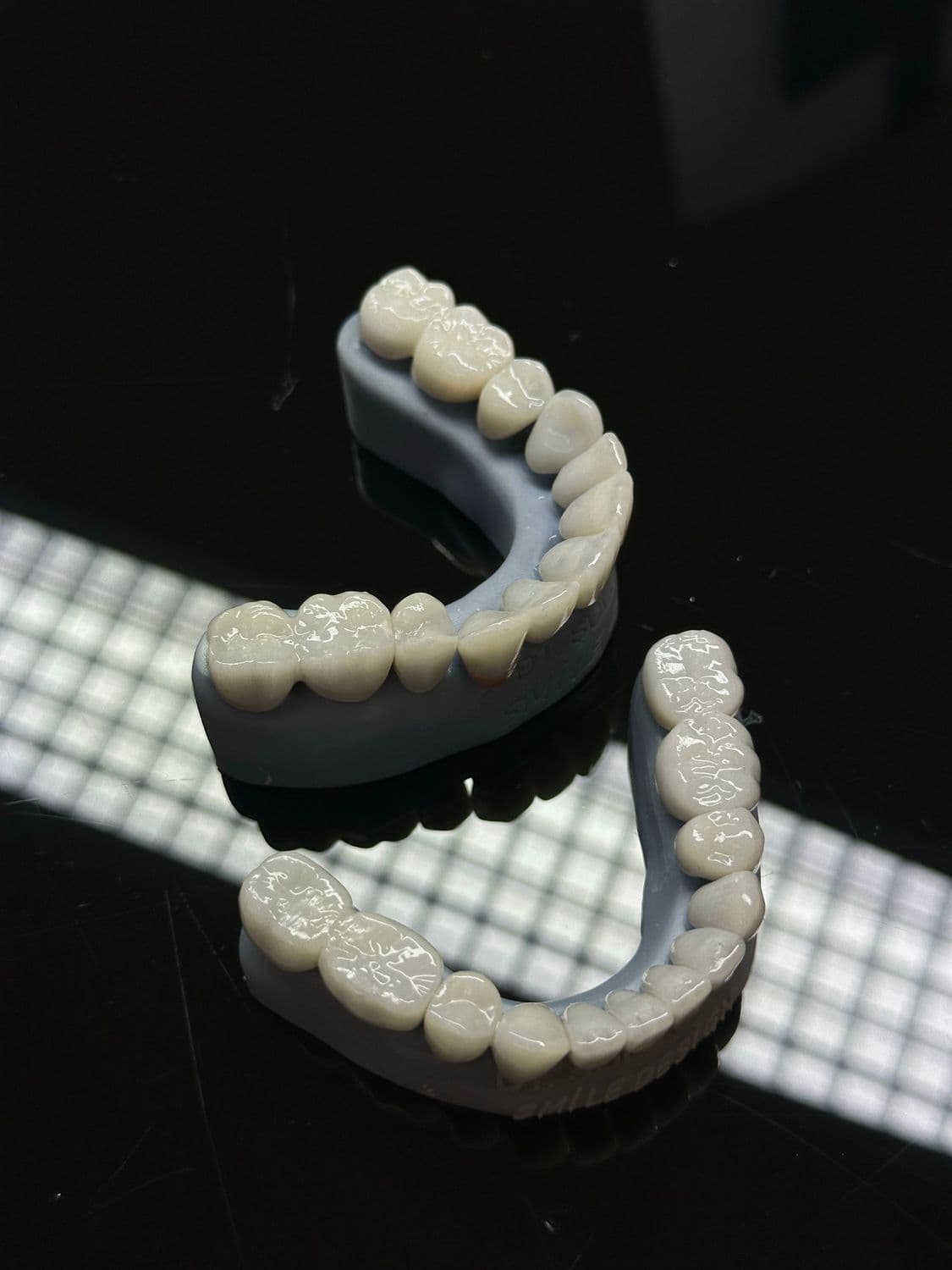
Full Mouth Rehabilitation: Restoring Your Complete Smile with Dental Implants in Vadodara
Missing multiple teeth or struggling with failing dental work? Full mouth rehabilitation using dental implants can restore your complete smile, chewing ability, and confidence in a single treatment plan. Here is everything you need to know about this life-changing procedure.
Dental Anxiety? How Pain-Free Dentistry Actually Works in 2026
Fear of the dentist prevents millions of Indians from seeking dental care until small problems become serious emergencies. Modern pain-free dentistry has changed dramatically — here is how advanced techniques at specialist clinics make dental visits genuinely comfortable.
Dental Implant Cost in Vadodara 2026: Complete Price Guide and What to Expect
Wondering how much dental implants cost in Vadodara? The price depends on the type of implant, number of teeth, bone condition, and the clinic you choose. Here is a transparent, detailed guide to help you understand implant pricing and make an informed decision.