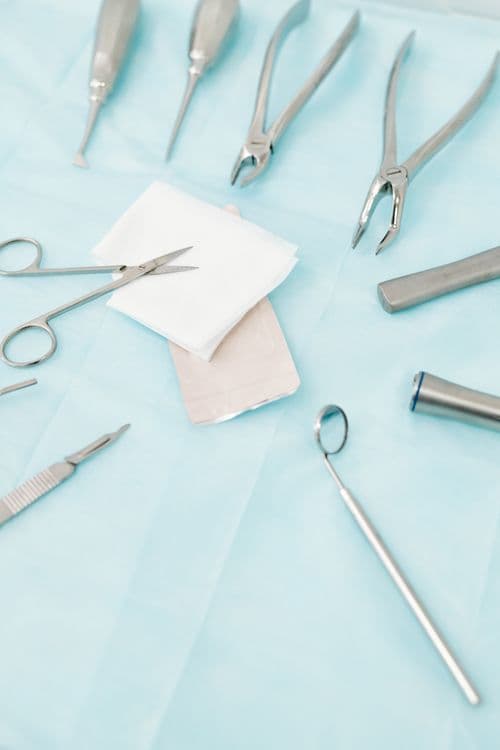
Dental Emergencies: What to Do When a Tooth Breaks, Chips, or Gets Knocked Out
A dental emergency can happen to anyone — a fall during sports, biting into something hard, or an accident at home. Knowing exactly what to do in the first thirty minutes can mean the difference between saving and losing a tooth. Here is a practical first-aid guide every family should know.
Why Dental Emergencies Need Immediate Attention
Dental emergencies are more common than most people realise. A 2026 report highlights that dental emergencies are rising significantly, often because patients delay routine care until small problems become urgent ones. Sports injuries, accidental falls, biting on hard objects, and untreated decay are the most frequent causes.
The critical factor in most dental emergencies is time. A knocked-out permanent tooth has the highest chance of being saved if reimplanted within thirty minutes. A cracked tooth can often be repaired with a simple bonding procedure if treated promptly, but may require a root canal or extraction if infection sets in from delayed treatment.
Understanding basic dental first aid empowers you to act quickly and correctly when an emergency occurs — whether it happens to you, your child, or someone around you. The actions you take in the first few minutes can dramatically improve the outcome.
Knocked-Out Tooth: Step-by-Step First Aid
A completely knocked-out permanent tooth is one of the most urgent dental emergencies. If handled correctly, the tooth can often be reimplanted and saved.
Step one: Find the tooth immediately. Pick it up by the crown only — the white part you normally see in the mouth. Never touch, scrub, or hold the root. The root surface contains delicate periodontal ligament cells that are essential for successful reimplantation.
Step two: If the tooth is dirty, rinse it gently with milk or saline solution for no more than ten seconds. Do not use tap water, soap, or any cleaning agent. Do not scrub the tooth or remove any tissue fragments attached to the root.
Step three: Try to reinsert the tooth into the socket immediately. Gently push it in with your fingers and bite down on a clean cloth or gauze to hold it in place. This gives the tooth the best possible chance of survival.
Step four: If you cannot reinsert the tooth, keep it moist at all times. Place it in a container of cold milk, saline, or the patient's own saliva. Commercially available tooth preservation kits are ideal if you have one. Never store a knocked-out tooth in plain water — it damages the root cells.
Step five: Get to a dentist within thirty minutes. The faster you arrive, the better the outcome. Call ahead so the dental team can prepare for immediate treatment.
Chipped or Broken Tooth: What to Do Immediately
Chipped and broken teeth are the most common type of dental trauma. The severity can range from a minor cosmetic chip to a serious fracture that exposes the nerve.
First, save any broken tooth fragments. Rinse them gently and place them in milk or a sealed container. In many cases, dentists can bond the original fragment back onto the tooth for the most natural-looking repair.
Rinse your mouth gently with warm salt water to clean the area and reduce infection risk. If there is bleeding, apply gentle pressure with clean gauze for ten to fifteen minutes. A cold compress applied to the outside of the cheek near the injured area helps reduce swelling and pain.
If the broken tooth has a sharp or jagged edge, cover it with dental wax, sugarless chewing gum, or a small piece of gauze to protect your tongue and cheek from cuts. Avoid chewing on the injured side.
For minor chips with no pain, you can wait a day or two before seeing a dentist, but do not delay longer. For fractures that expose pink or red tissue inside the tooth, cause significant pain, or involve loosening of the tooth, seek emergency dental care immediately — the exposed nerve needs protection to prevent infection.
Severe Toothache: Emergency Relief Before Your Appointment
A sudden, severe toothache often indicates an infection, abscess, or advanced decay that has reached the tooth's nerve. While home care cannot treat the underlying cause, several steps can provide temporary relief until you can see a dentist.
Rinse your mouth thoroughly with warm salt water — half a teaspoon of salt dissolved in a glass of warm water. This helps reduce bacteria around the affected area and can ease inflammation. Repeat every few hours as needed.
Take an over-the-counter pain reliever such as ibuprofen, which also reduces inflammation. Follow the recommended dosage on the packaging. Avoid placing aspirin directly against the gum near the painful tooth — this old remedy actually causes chemical burns on the soft tissue.
Apply a cold compress to the outside of your cheek for fifteen minutes on, fifteen minutes off. Cold helps numb the area and reduce swelling. Clove oil applied sparingly to the affected area with a cotton ball can provide temporary numbing relief due to its natural eugenol content.
Avoid very hot, very cold, or very sweet foods and beverages, as these can intensify the pain. Do not ignore a severe toothache hoping it will resolve — dental infections can spread to surrounding bone, the bloodstream, and other parts of the body if left untreated.
Other Common Dental Emergencies
A loose permanent tooth from trauma needs urgent care. Avoid wiggling it with your tongue or fingers. Bite down gently on a clean cloth to stabilise the tooth and see a dentist within a few hours. Splinting the tooth early often allows it to reattach successfully.
A lost filling or crown leaves the tooth vulnerable to sensitivity, further decay, and fracture. As a temporary measure, apply dental cement or sugar-free gum to cover the exposed area. Avoid chewing on that side and see your dentist within a day or two for permanent restoration.
Soft tissue injuries — cuts to the lips, tongue, cheeks, or gums — can bleed heavily due to the rich blood supply in the mouth. Apply firm pressure with clean gauze for fifteen to twenty minutes. If bleeding does not stop, or if the laceration is deep, visit an emergency room. Most minor oral soft tissue injuries heal remarkably well on their own.
An object stuck between teeth should never be removed with sharp instruments. Try dental floss first, gently working it between the teeth. If the object does not come out with floss, see a dentist rather than risking damage to the tooth or gum tissue.
Building a Dental Emergency Kit
Every household should have a small dental emergency kit readily accessible. The kit does not need to be expensive or elaborate — a few essential items can make a significant difference in an emergency situation.
Include sterile gauze pads for controlling bleeding and stabilising loose teeth. A small container with a secure lid is essential for storing knocked-out teeth or broken fragments in milk during transport to the dentist. Dental wax is useful for covering sharp edges on broken teeth or orthodontic wires.
Over-the-counter pain relievers such as ibuprofen and paracetamol should always be on hand. A small bottle of clove oil and cotton balls provides natural temporary pain relief. Sugar-free gum can serve as temporary coverage for lost fillings.
Save your dentist's emergency contact number in your phone. Many dental clinics, including Ashirvad Dental Clinic, accommodate same-day emergency appointments when possible. Knowing who to call eliminates panic and saves valuable time during a real emergency.
Preventing Dental Emergencies
While not all dental emergencies can be prevented, many can be avoided with simple precautions. Wear a properly fitted mouthguard during all contact sports and recreational activities — this single piece of equipment prevents the majority of sports-related dental injuries.
Avoid using teeth as tools — opening bottles, tearing packaging, cracking nuts, or biting on ice are common habits that cause preventable fractures. These seemingly harmless actions place enormous stress on teeth that were designed for chewing food, not performing mechanical tasks.
Maintain regular dental checkups every six months. Many emergencies — cracked teeth, deep decay, failing restorations — develop gradually and can be detected and treated during routine visits before they become urgent problems. A small filling today prevents a painful fracture or infection tomorrow.
Address teeth grinding promptly. Chronic bruxism weakens tooth structure over time, making teeth significantly more vulnerable to fracture. A custom night guard from your dentist protects teeth during sleep and prevents cumulative damage.
Emergency Dental Care at Ashirvad Dental Clinic
At Ashirvad Dental Clinic in Subhanpura, Vadodara, we understand that dental emergencies do not follow a schedule. Our team prioritises same-day emergency appointments whenever possible to provide timely care when it matters most.
Dr. Manan Buch brings over fifteen years of experience in managing dental trauma, emergency restorations, and complex fracture repairs. Using digital X-rays and CBCT imaging, the clinic provides rapid, accurate diagnosis to guide immediate treatment decisions.
Whether you are dealing with a knocked-out tooth, a painful fracture, or a sudden toothache, prompt professional care gives you the best chance of saving the tooth and preventing complications. Patients across Subhanpura, Alkapuri, Akota, Gotri, and surrounding areas in Vadodara trust Ashirvad Dental Clinic for reliable emergency dental care.
Dental emergencies are stressful, but knowing what to do in those critical first minutes can save a tooth that might otherwise be lost. Keep a dental emergency kit at home, save your dentist's number in your phone, and remember the golden rule — act fast, keep knocked-out teeth moist, and get to a dentist as quickly as possible. If you or your family experiences a dental emergency in Vadodara, contact Ashirvad Dental Clinic in Subhanpura immediately for prompt, expert care.
Related Services at Ashirvad Dental Clinic
Ready to take the next step?
Book a consultation with our specialists at Ashirvad Dental Clinic, Subhanpura.
More Articles
Teeth Grinding (Bruxism): Signs You Are Doing It and How to Stop
Do you wake up with a sore jaw, headaches, or worn-down teeth? You may be grinding your teeth at night without even knowing it. Bruxism affects millions of Indians and can cause serious dental damage if left untreated. Here is how to recognise the signs and protect your teeth.
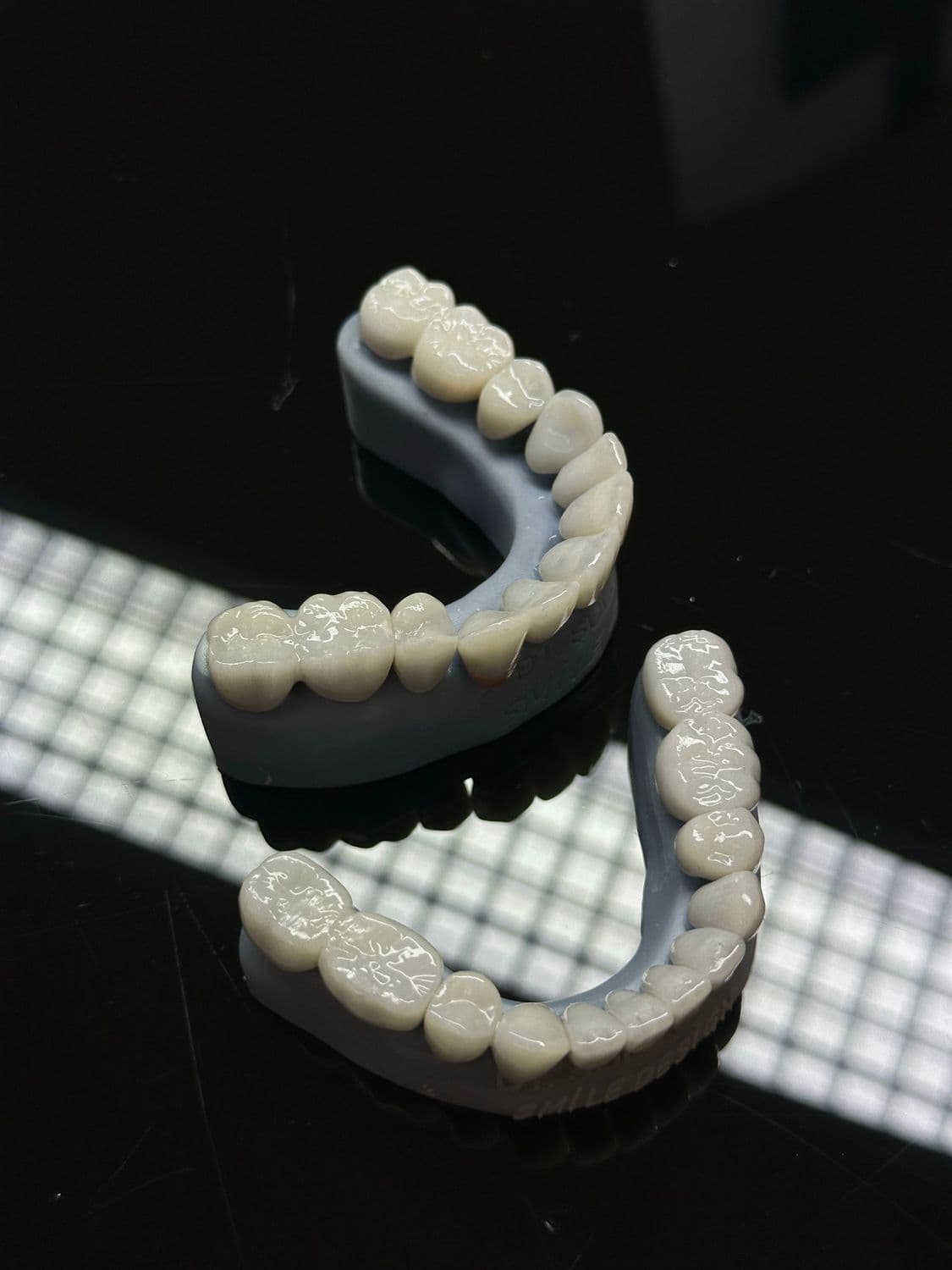
Full Mouth Rehabilitation: Restoring Your Complete Smile with Dental Implants in Vadodara
Missing multiple teeth or struggling with failing dental work? Full mouth rehabilitation using dental implants can restore your complete smile, chewing ability, and confidence in a single treatment plan. Here is everything you need to know about this life-changing procedure.
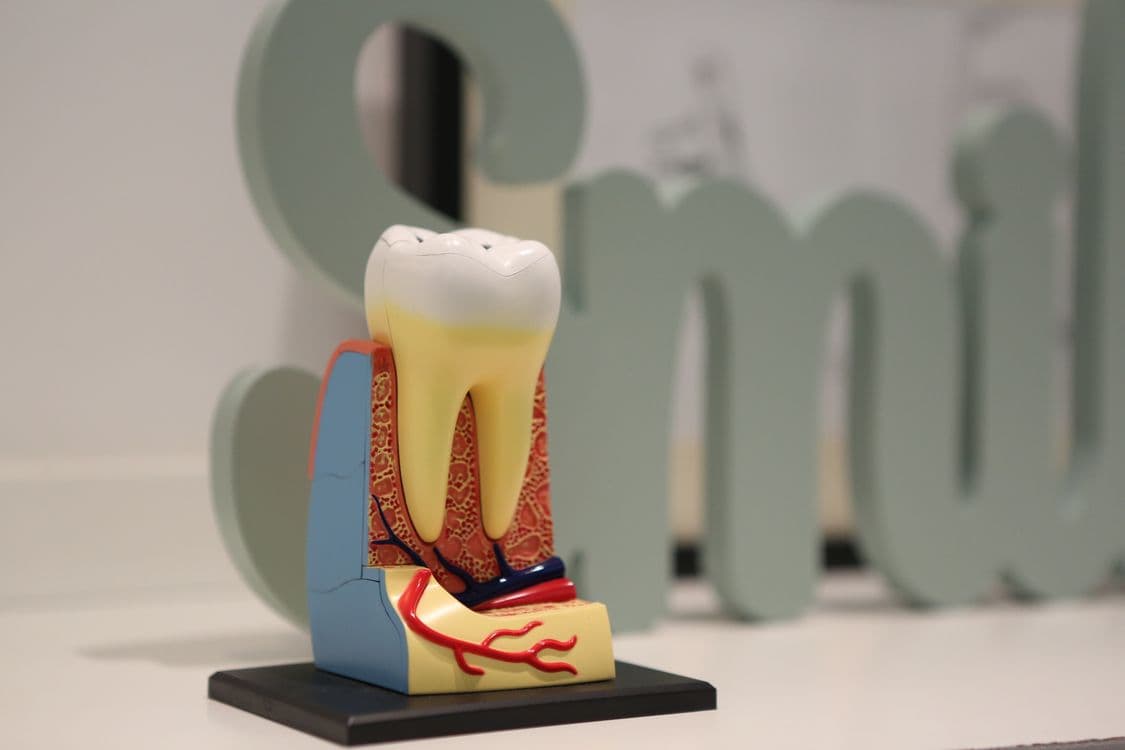
Dental Anxiety? How Pain-Free Dentistry Actually Works in 2026
Fear of the dentist prevents millions of Indians from seeking dental care until small problems become serious emergencies. Modern pain-free dentistry has changed dramatically — here is how advanced techniques at specialist clinics make dental visits genuinely comfortable.
Dental Implant Cost in Vadodara 2026: Complete Price Guide and What to Expect
Wondering how much dental implants cost in Vadodara? The price depends on the type of implant, number of teeth, bone condition, and the clinic you choose. Here is a transparent, detailed guide to help you understand implant pricing and make an informed decision.