
Monsoon Dental Care 2026: How to Protect Your Teeth and Gums During the Rainy Season
The monsoon season brings more than just rain — it also increases the risk of dental infections, tooth sensitivity, and gum problems. With humidity levels rising and waterborne bacteria thriving, your oral health needs extra attention during July through September. Here is a complete guide to keeping your teeth and gums healthy this monsoon.
Why Monsoon Season Increases Dental Problems
Every year during monsoon, dental clinics across Vadodara see a noticeable spike in patients reporting toothaches, gum swelling, and oral infections. This is not a coincidence — the combination of high humidity, fluctuating temperatures, and changes in diet and water quality creates conditions that are particularly favourable for bacterial growth in the mouth.
During the rainy season, many people consume more street food, sugary chai, fried snacks, and acidic foods. These dietary shifts, combined with the natural tendency to drink less water when the weather is cooler, create an environment where cavity-causing bacteria thrive. Additionally, waterborne contaminants can affect oral health indirectly through the digestive system and immune response.
Understanding these seasonal risks allows you to take simple, proactive steps to protect your oral health throughout the monsoon months.
Common Dental Problems During Monsoon
Tooth sensitivity is one of the most frequently reported issues during monsoon. Temperature fluctuations — hot tea followed by cold rain-soaked weather — cause the enamel to expand and contract, which can aggravate existing sensitivity or create new discomfort. Patients with worn enamel or exposed tooth roots are especially vulnerable during this period.
Gum infections and swelling tend to increase significantly during the rainy season. Higher humidity levels promote bacterial growth, and reduced saliva flow from lower water intake weakens the mouth's natural defences. Gingivitis symptoms like bleeding gums, redness, and tenderness often worsen during monsoon if oral hygiene is not maintained consistently.
Tooth decay accelerates during monsoon due to increased consumption of sugary and starchy foods. Pakoras, samosas, biscuits with chai, and sweetened beverages are monsoon staples that feed acid-producing bacteria. Without proper brushing after these snacks, cavities can develop or worsen rapidly.
Bad breath becomes more persistent during humid months as bacteria multiply faster in warm, moist conditions inside the mouth. Tongue coating, food debris between teeth, and reduced water intake all contribute to halitosis during this season.
Essential Monsoon Oral Hygiene Tips
Brush twice daily without fail — morning and night — using a soft-bristled toothbrush and fluoride toothpaste. During monsoon, the temptation to skip nighttime brushing increases, but this is precisely when bacteria are most active. The food particles left on teeth overnight combined with humid conditions create an ideal environment for decay.
Floss at least once daily to remove food trapped between teeth. Monsoon snacking often involves sticky and starchy foods that lodge between teeth where brushes cannot reach. Dental floss or interdental brushes are essential for removing this debris before it causes problems.
Use an antibacterial mouthwash as an additional layer of protection. A good quality mouthwash reaches areas that brushing and flossing may miss, reducing the overall bacterial load in your mouth. This is especially important during monsoon when bacterial growth is naturally higher.
Stay hydrated by drinking plenty of clean, purified water throughout the day. Water helps maintain saliva production, which is your mouth's primary natural defence against bacteria and acid. Aim for at least eight glasses of purified water daily, even when the cooler weather reduces your thirst.
Monsoon Diet Tips for Healthier Teeth
Limit sugary and acidic foods. While monsoon cravings for chai, pakoras, and sweets are natural, try to balance these with tooth-friendly alternatives. Raw vegetables like carrots and cucumbers, nuts, cheese, and sugar-free snacks are excellent choices that satisfy hunger without feeding cavity-causing bacteria.
Avoid ice-cold beverages if you have sensitive teeth. The thermal shock from very cold drinks can trigger sharp pain in teeth with worn enamel or exposed roots. Room temperature or lukewarm beverages are gentler on sensitive teeth during the monsoon months.
Rinse your mouth with plain water after consuming snacks or sugary drinks. This simple habit takes only seconds but significantly reduces the time that acids and sugars remain in contact with your tooth enamel. Wait at least thirty minutes before brushing after consuming acidic foods to avoid enamel erosion.
Include calcium-rich foods like milk, paneer, yogurt, and almonds in your monsoon diet. Calcium strengthens tooth enamel from within, providing better resistance against acid attacks and decay. Vitamin C from citrus fruits also supports gum health and immune function during the rainy season.
Protecting Children's Teeth During Monsoon
Children are especially vulnerable to dental problems during monsoon because their dietary choices are harder to control and their oral hygiene habits may not yet be fully established. School-going children often consume more packaged snacks, chocolates, and sugary drinks during the rainy season.
Parents should supervise brushing for children under eight years old and ensure they use an age-appropriate amount of fluoride toothpaste. Making brushing a fun activity rather than a chore helps build habits that last a lifetime.
Limit sticky candies, toffees, and chewy snacks that cling to teeth for extended periods. These are particularly harmful because they provide a sustained source of sugar for bacteria throughout the day. Offer fruit, cheese cubes, or plain nuts as healthier alternatives.
Schedule a preventive dental checkup for your child before or during monsoon. Early detection of small cavities or gum problems can prevent painful emergency visits later in the season. Fluoride treatments and dental sealants applied by a pediatric dentist provide additional protection during high-risk months.
When to Visit a Dentist During Monsoon
Do not wait for severe pain to seek dental care. Many monsoon dental emergencies — abscesses, severe toothaches, gum infections — could have been prevented or treated more easily if identified earlier.
Visit a dentist promptly if you notice persistent tooth sensitivity that lasts more than a few days, gums that bleed regularly during brushing, swelling or pain in the jaw area, a toothache that worsens at night, persistent bad breath despite good oral hygiene, or any unusual sores or white patches inside the mouth.
A professional dental cleaning during monsoon removes hardened tartar and bacterial buildup that home care alone cannot address. This preventive step significantly reduces the risk of developing serious infections during the remaining monsoon months.
Why Preventive Dental Care Matters at Ashirvad Dental Clinic
At Ashirvad Dental Clinic in Subhanpura, Vadodara, our preventive dentistry approach focuses on identifying and addressing problems before they require complex treatment. Using digital X-rays and advanced diagnostic tools, we can detect early-stage decay, hidden infections, and gum disease that may not yet be causing symptoms.
Our monsoon dental checkup includes thorough cleaning, cavity screening, gum health assessment, and personalized advice for maintaining oral hygiene during the rainy season. For patients with existing dental work — fillings, crowns, or implants — we also check that these restorations remain intact and properly sealed against bacterial infiltration.
Families in Subhanpura, Alkapuri, Akota, Gotri, and surrounding areas trust Ashirvad Dental Clinic for comprehensive preventive care that keeps dental problems at bay throughout every season.
Monsoon does not have to mean dental emergencies. With consistent oral hygiene, smart dietary choices, adequate hydration, and timely professional care, you can enjoy the rainy season without worrying about toothaches or infections. If it has been more than six months since your last dental checkup, the start of monsoon is the perfect time to schedule a visit. Book a preventive dental consultation at Ashirvad Dental Clinic, Subhanpura, Vadodara — protect your smile before the season catches up.
Related Services at Ashirvad Dental Clinic
Ready to take the next step?
Book a consultation with our specialists at Ashirvad Dental Clinic, Subhanpura.
More Articles
Teeth Grinding (Bruxism): Signs You Are Doing It and How to Stop
Do you wake up with a sore jaw, headaches, or worn-down teeth? You may be grinding your teeth at night without even knowing it. Bruxism affects millions of Indians and can cause serious dental damage if left untreated. Here is how to recognise the signs and protect your teeth.
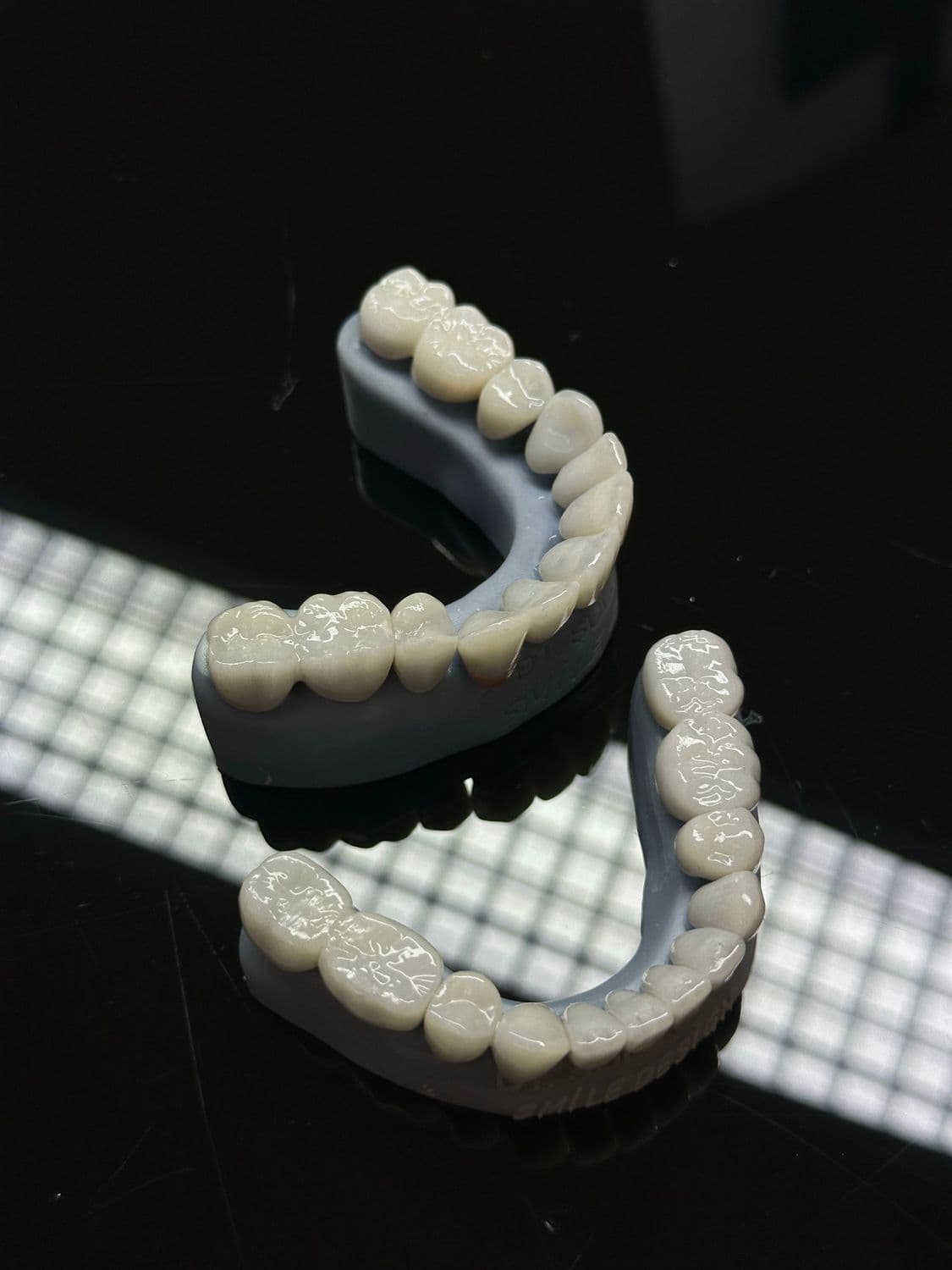
Full Mouth Rehabilitation: Restoring Your Complete Smile with Dental Implants in Vadodara
Missing multiple teeth or struggling with failing dental work? Full mouth rehabilitation using dental implants can restore your complete smile, chewing ability, and confidence in a single treatment plan. Here is everything you need to know about this life-changing procedure.
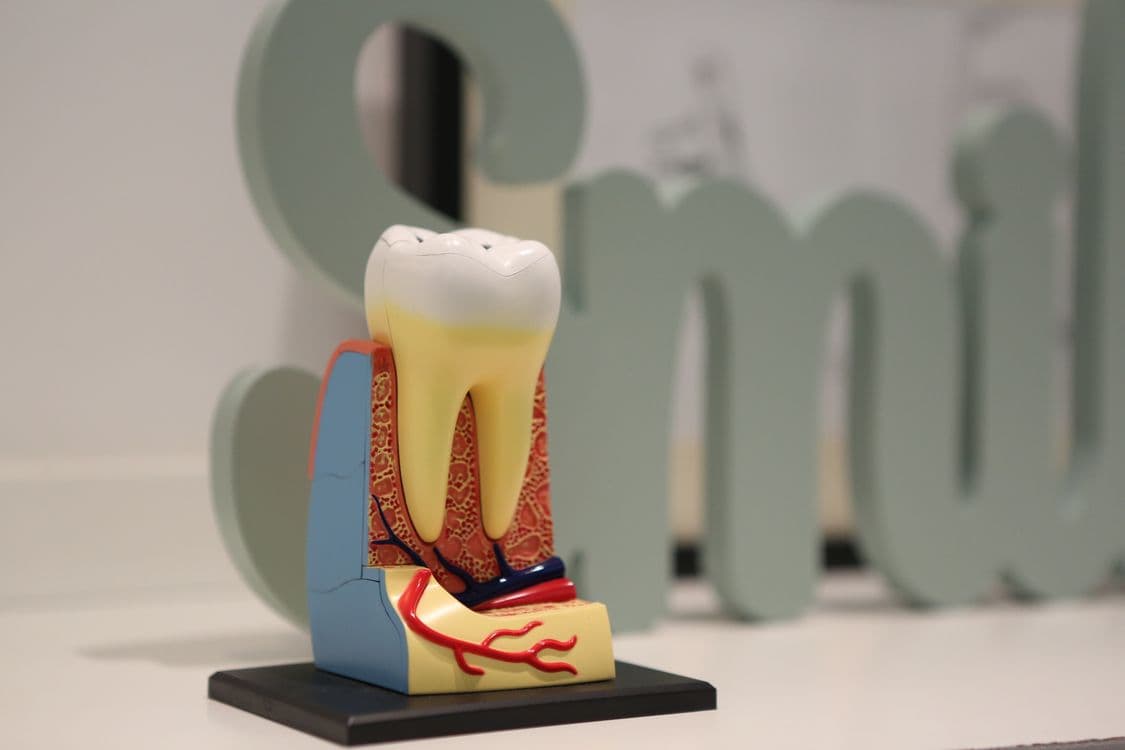
Dental Anxiety? How Pain-Free Dentistry Actually Works in 2026
Fear of the dentist prevents millions of Indians from seeking dental care until small problems become serious emergencies. Modern pain-free dentistry has changed dramatically — here is how advanced techniques at specialist clinics make dental visits genuinely comfortable.

Dental Implant Cost in Vadodara 2026: Complete Price Guide and What to Expect
Wondering how much dental implants cost in Vadodara? The price depends on the type of implant, number of teeth, bone condition, and the clinic you choose. Here is a transparent, detailed guide to help you understand implant pricing and make an informed decision.