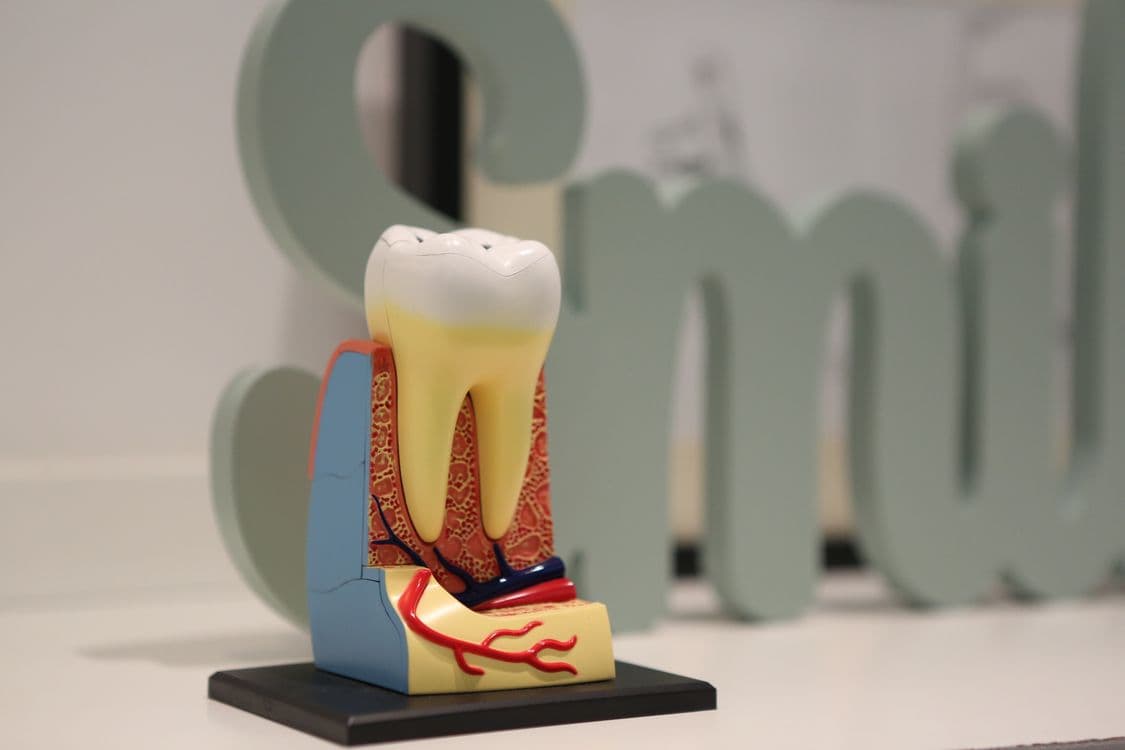
Root Canal Treatment in 2026: Why Modern Root Canals Are Painless and How They Save Your Teeth
Root canal treatment remains one of the most misunderstood dental procedures. Many patients delay treatment out of fear, only to face more pain and eventual tooth loss. In 2026, root canal therapy is faster, more comfortable, and more successful than ever before. Here is everything you need to know.
What Is a Root Canal and Why Is It Needed?
A root canal treatment — also called endodontic therapy — is a procedure to save a tooth that has become severely infected or damaged. Inside every tooth, beneath the hard enamel and dentin layers, lies a soft tissue called the dental pulp. This pulp contains nerves, blood vessels, and connective tissue that helped the tooth develop during childhood.
When this pulp becomes infected due to deep decay, cracks, repeated dental procedures, or trauma, it causes intense pain, swelling, and eventually an abscess if left untreated. A root canal removes the infected pulp, cleans and disinfects the inner chambers of the tooth, fills them with a biocompatible material, and seals the tooth to prevent reinfection.
The goal is straightforward — save the natural tooth rather than extract it. A natural tooth, even one that has undergone root canal treatment, is almost always preferable to an artificial replacement because it maintains natural biting force, preserves jawbone structure, and keeps surrounding teeth stable.
Signs You May Need a Root Canal
Recognizing the warning signs early can mean the difference between saving a tooth and losing it. The most common indicators include severe toothache that intensifies when biting or applying pressure, prolonged sensitivity to hot or cold temperatures that lingers even after the stimulus is removed, darkening or discolouration of a specific tooth, swollen or tender gums near the affected tooth, a persistent pimple or bump on the gums that may drain pus, and spontaneous pain that wakes you up at night.
Some infected teeth may not produce obvious symptoms initially. This is why regular dental checkups with X-rays are important — they can reveal infections developing inside teeth before pain begins. At Ashirvad Dental Clinic in Subhanpura, digital X-rays and CBCT imaging help identify hidden infections with precision, allowing treatment to begin before complications develop.
Ignoring these symptoms does not make the infection go away. Without treatment, the infection spreads to surrounding bone and tissue, potentially leading to abscess formation, bone loss, and systemic health complications.
Why Modern Root Canals Are Virtually Painless
The fear of root canal pain is one of the biggest myths in dentistry. In reality, root canal treatment relieves pain — it does not cause it. The pain patients associate with root canals actually comes from the infection itself, not the procedure.
Modern root canal treatment in 2026 uses advanced anaesthesia techniques that ensure complete numbness throughout the procedure. Most patients report feeling no more discomfort than having a routine filling placed. The procedure itself is methodical and precise, with the dentist working carefully within the tooth's canal system.
Rotary endodontic instruments — flexible, motorized nickel-titanium files — have replaced the manual filing techniques of the past. These instruments clean and shape root canals faster, more uniformly, and with less vibration than traditional methods. The result is a smoother, quicker, and more comfortable experience for the patient.
Electronic apex locators precisely determine the length of each root canal, reducing the need for multiple X-rays during the procedure. Digital imaging provides real-time guidance, allowing the dentist to navigate complex canal anatomy with confidence and accuracy.
The Step-by-Step Root Canal Process
The procedure begins with a thorough examination and X-ray to assess the extent of infection and the anatomy of the tooth's root system. Local anaesthesia is administered to ensure complete comfort throughout the treatment.
A small rubber dam is placed around the tooth to isolate it from saliva and maintain a clean working field. An access opening is then created through the crown of the tooth to reach the infected pulp chamber and root canals.
Using specialized instruments, the infected pulp tissue is carefully removed from the chamber and each root canal. The canals are then cleaned, shaped, and disinfected using antiseptic solutions that eliminate bacteria and prevent reinfection.
Once thoroughly cleaned, the canals are filled with a biocompatible material called gutta-percha and sealed with adhesive cement. The access opening is closed with a temporary or permanent filling. In most cases, a dental crown is recommended within a few weeks to protect the treated tooth and restore its full strength and function.
Many root canal procedures are now completed in a single appointment lasting sixty to ninety minutes. Complex cases involving multiple canals or curved roots may require two visits, but advances in technology have significantly reduced multi-visit treatments.
After Root Canal: Recovery and Care
Recovery after modern root canal treatment is straightforward. Most patients return to normal activities the same day or the next day. Mild tenderness around the treated tooth is common for a few days and responds well to over-the-counter pain medication.
Avoid chewing on the treated side until the permanent crown is placed. The tooth may feel slightly different from surrounding teeth for a few days as the surrounding tissue heals. This sensation is normal and typically resolves within a week.
Maintain regular brushing and flossing around the treated tooth. Good oral hygiene is essential for the long-term success of root canal treatment. The treated tooth can last a lifetime with proper care and a well-fitted crown.
Attend all follow-up appointments as recommended. Your dentist will monitor healing, check the seal integrity, and ensure the infection has been completely resolved before placing the final crown restoration.
Common Root Canal Myths Debunked
"Root canals are extremely painful" — this is the biggest myth. With modern anaesthesia and techniques, root canal treatment is comparable to getting a filling. The actual pain comes from the untreated infection, not the procedure that resolves it.
"It is better to just extract the tooth" — saving your natural tooth is almost always the preferred option. Extraction leads to bone loss, shifting of adjacent teeth, bite problems, and the eventual need for bridges or implants that are more expensive than root canal treatment.
"Root canals cause illness" — this debunked myth originated from flawed research over a century ago. Modern scientific evidence overwhelmingly confirms that root canal treatment is safe and does not cause systemic disease. Major health organizations worldwide endorse root canal therapy as a safe, effective treatment.
"A root canal treated tooth will eventually fail" — with modern techniques and materials, root canal success rates exceed ninety-five percent. A properly treated and crowned tooth can function normally for decades, often for the rest of a patient's life.
Root Canal vs Tooth Extraction: Making the Right Choice
While extraction may seem like the simpler solution, it creates a chain of dental problems that are far more complex and expensive to address than preserving the natural tooth.
When a tooth is extracted, the surrounding bone begins to deteriorate within weeks. Adjacent teeth gradually shift into the gap, altering your bite and creating new alignment issues. Replacing the extracted tooth with an implant or bridge requires additional procedures, healing time, and significantly higher costs.
Root canal treatment preserves the natural tooth root, which maintains jawbone density and keeps surrounding teeth in their proper positions. The treated tooth continues to function normally for chewing, speaking, and maintaining facial structure.
At Ashirvad Dental Clinic, Dr. Manan Buch evaluates each case individually to recommend the most conservative and effective treatment approach. The priority is always to save the natural tooth whenever clinically possible.
Why Patients Trust Ashirvad Dental Clinic for Root Canal Treatment
At Ashirvad Dental Clinic in Subhanpura, Vadodara, root canal treatments are performed using the latest rotary endodontic instruments, digital imaging, and advanced disinfection protocols. Dr. Manan Buch brings over fifteen years of clinical experience in prosthodontics and restorative dentistry, ensuring precision and patient comfort throughout every procedure.
The clinic's approach combines accurate diagnosis using digital X-rays and CBCT imaging with careful treatment planning tailored to each tooth's specific anatomy. Patients from Subhanpura, Alkapuri, Akota, Gotri, Manjalpur, and surrounding areas choose Ashirvad Dental Clinic for reliable, pain-free root canal treatment with long-lasting results.
A root canal in 2026 is nothing like the painful procedure people once feared. With advanced technology, modern anaesthesia, and skilled specialists, root canal treatment is comfortable, predictable, and highly successful. If you are experiencing tooth pain, sensitivity, or swelling, do not delay — early treatment saves teeth, prevents complications, and costs less than the alternatives. Schedule a consultation at Ashirvad Dental Clinic in Subhanpura, Vadodara to get expert evaluation and pain-free treatment.
Related Services at Ashirvad Dental Clinic
Ready to take the next step?
Book a consultation with our specialists at Ashirvad Dental Clinic, Subhanpura.
More Articles
Teeth Grinding (Bruxism): Signs You Are Doing It and How to Stop
Do you wake up with a sore jaw, headaches, or worn-down teeth? You may be grinding your teeth at night without even knowing it. Bruxism affects millions of Indians and can cause serious dental damage if left untreated. Here is how to recognise the signs and protect your teeth.
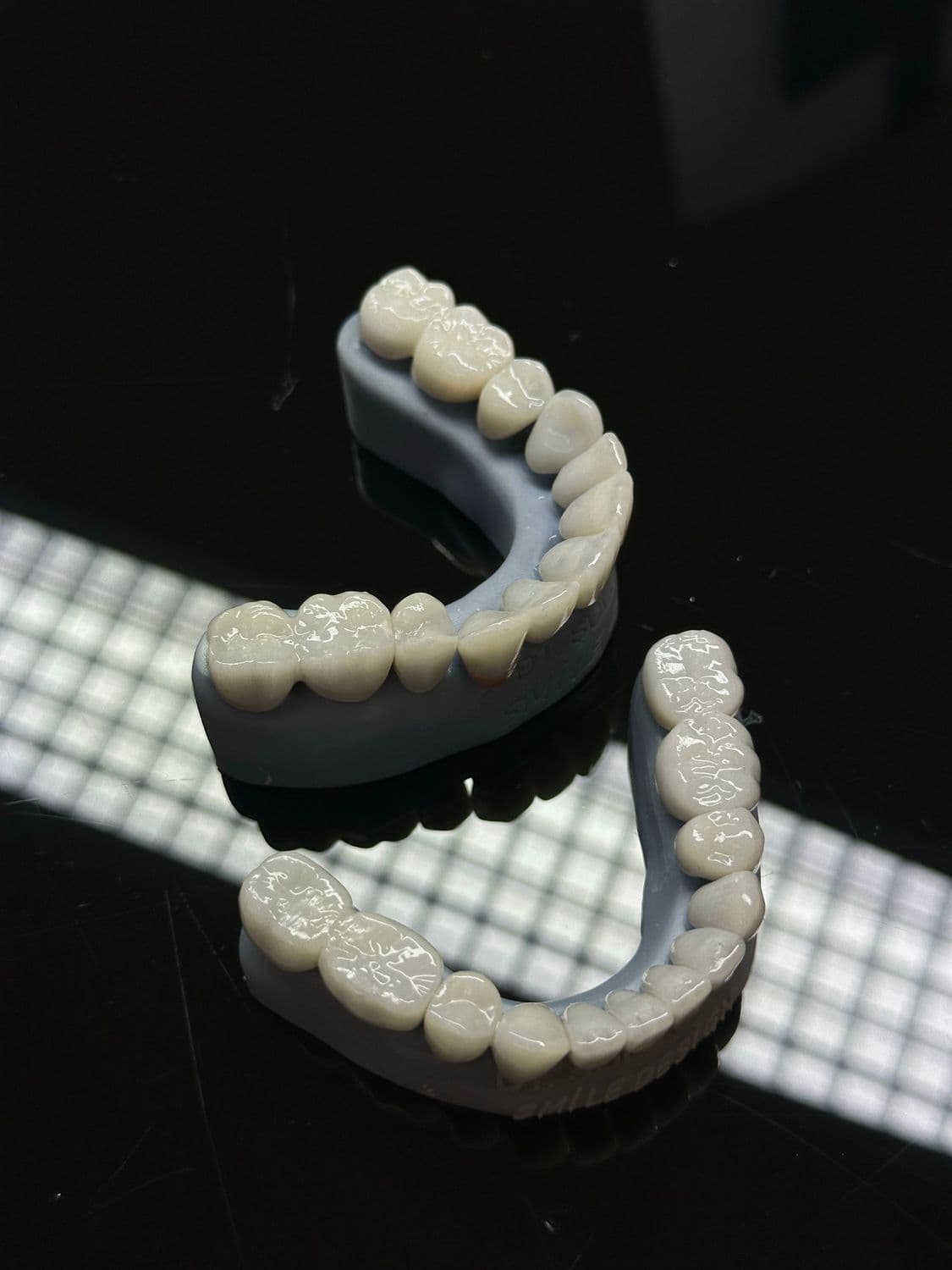
Full Mouth Rehabilitation: Restoring Your Complete Smile with Dental Implants in Vadodara
Missing multiple teeth or struggling with failing dental work? Full mouth rehabilitation using dental implants can restore your complete smile, chewing ability, and confidence in a single treatment plan. Here is everything you need to know about this life-changing procedure.
Dental Anxiety? How Pain-Free Dentistry Actually Works in 2026
Fear of the dentist prevents millions of Indians from seeking dental care until small problems become serious emergencies. Modern pain-free dentistry has changed dramatically — here is how advanced techniques at specialist clinics make dental visits genuinely comfortable.
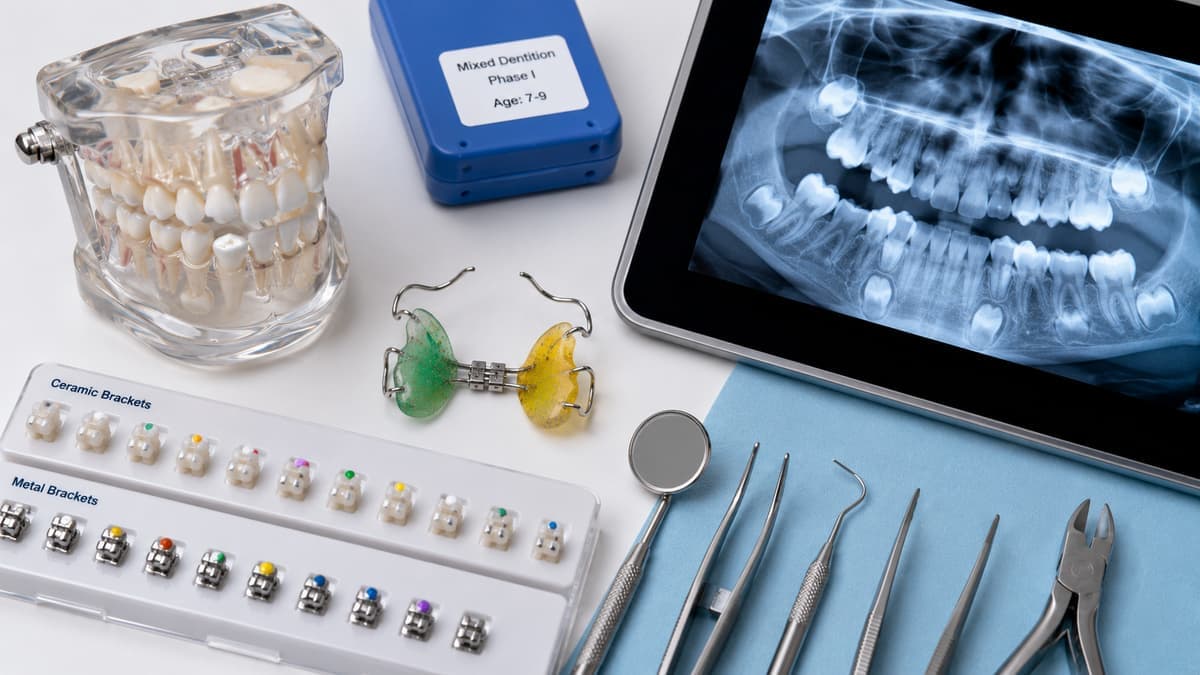
Dental Implant Cost in Vadodara 2026: Complete Price Guide and What to Expect
Wondering how much dental implants cost in Vadodara? The price depends on the type of implant, number of teeth, bone condition, and the clinic you choose. Here is a transparent, detailed guide to help you understand implant pricing and make an informed decision.