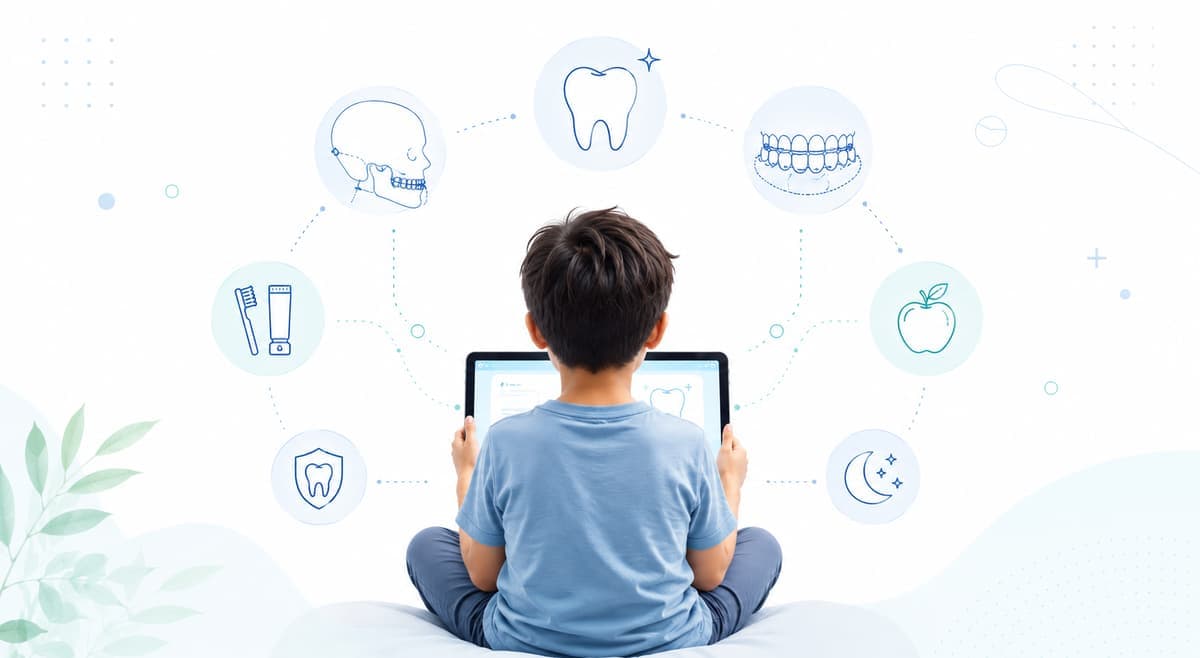
How Screen Time Habits Affect Children's Dental Health
In today's digital world, screens have become an unavoidable part of childhood. While most parents understand the impact of excessive screen time on eyesight and physical activity, few realize that it can also significantly affect children's oral health.
Increased Snacking Leads to Higher Cavity Risk
One of the biggest concerns associated with prolonged screen use is mindless snacking. Children often consume chips, chocolates, sugary drinks, biscuits, and processed snacks while watching videos or playing games.
Frequent snacking exposes teeth to sugars and acids throughout the day, significantly increasing the risk of tooth decay. Encouraging children to eat at designated meal times and choose healthier snacks can help protect their teeth.
Screen Time Can Contribute to Mouth Breathing
Children who spend long periods focusing on screens may develop poor breathing habits. Chronic mouth breathing can contribute to dry mouth, increased cavity risk, gum inflammation, poor jaw development, and orthodontic concerns.
Healthy nasal breathing plays an important role in proper facial growth and oral development. If you notice your child frequently breathing through their mouth, it is worth discussing with a pediatric dental specialist.
Poor Posture Can Affect Jaw Function
Extended screen use often encourages poor posture. Forward head posture can contribute to jaw discomfort, teeth clenching, temporomandibular joint (TMJ) issues, and neck and facial muscle strain.
These issues may gradually impact oral function and comfort. Regular movement breaks and ergonomic adjustments can help reduce these risks during screen time.
Reduced Water Intake and Dry Mouth
Children absorbed in screens often forget to stay hydrated. Dry mouth reduces saliva production, which is essential for neutralizing acids, preventing cavities, protecting enamel, and maintaining healthy gums.
Encouraging regular water breaks during screen time can support better oral health. Keeping a water bottle nearby and making hydration a routine habit can make a significant difference.
Sleep Disruption and Teeth Grinding
Excessive screen exposure, especially before bedtime, can affect sleep quality. Poor sleep is associated with teeth grinding (bruxism), jaw pain, increased stress, and reduced overall well-being.
Children who grind their teeth may develop enamel wear and dental sensitivity over time. Establishing a screen-free period before bedtime can improve sleep quality and reduce the risk of grinding.
Neglecting Daily Oral Hygiene
Many parents report that children who spend excessive time on devices are more likely to skip brushing and flossing routines. Consistency remains one of the most important factors in preventing cavities and gum problems.
Parents should establish screen-free periods dedicated to oral hygiene. Making brushing a non-negotiable part of the daily routine — before and after screen time — helps build long-term healthy habits.
Signs Parents Should Watch For
Consider consulting a pediatric dentist if you notice frequent cavities, persistent dry mouth, mouth breathing, teeth grinding, jaw discomfort, or poor oral hygiene habits in your child.
Early intervention can prevent more serious dental issues later. Many problems identified early are significantly easier and less costly to treat.
Healthy Screen Habits for Better Oral Health
Parents can support healthier smiles by setting daily screen limits and encouraging balanced activities throughout the day. Promoting water consumption by keeping water easily accessible during screen use makes a practical difference.
Limiting sugary snacks and choosing healthier alternatives, creating a consistent oral care routine with brushing twice daily and regular flossing, and scheduling regular dental visits for professional monitoring are all steps that can meaningfully protect children's oral health.
Why Regular Pediatric Dental Visits Matter
Children's oral health needs change as they grow. Routine dental visits allow dentists to monitor tooth development, jaw growth, orthodontic concerns, cavity risk, and oral habits.
At Ashirvad Dental Clinic, Vadodara, we provide comprehensive pediatric dental care focused on prevention, education, and long-term oral health. Early professional guidance makes a lasting difference in your child's dental future.
Technology is an important part of modern childhood, but excessive screen time can have unexpected effects on dental health. By understanding these risks and encouraging healthy habits, parents can help protect their children's smiles for years to come. For expert pediatric dental care and preventive dentistry in Vadodara, schedule a consultation with Ashirvad Dental Clinic and give your child the foundation for lifelong oral health.
Related Services at Ashirvad Dental Clinic
Ready to take the next step?
Book a consultation with our specialists at Ashirvad Dental Clinic, Subhanpura.
More Articles
Teeth Grinding (Bruxism): Signs You Are Doing It and How to Stop
Do you wake up with a sore jaw, headaches, or worn-down teeth? You may be grinding your teeth at night without even knowing it. Bruxism affects millions of Indians and can cause serious dental damage if left untreated. Here is how to recognise the signs and protect your teeth.
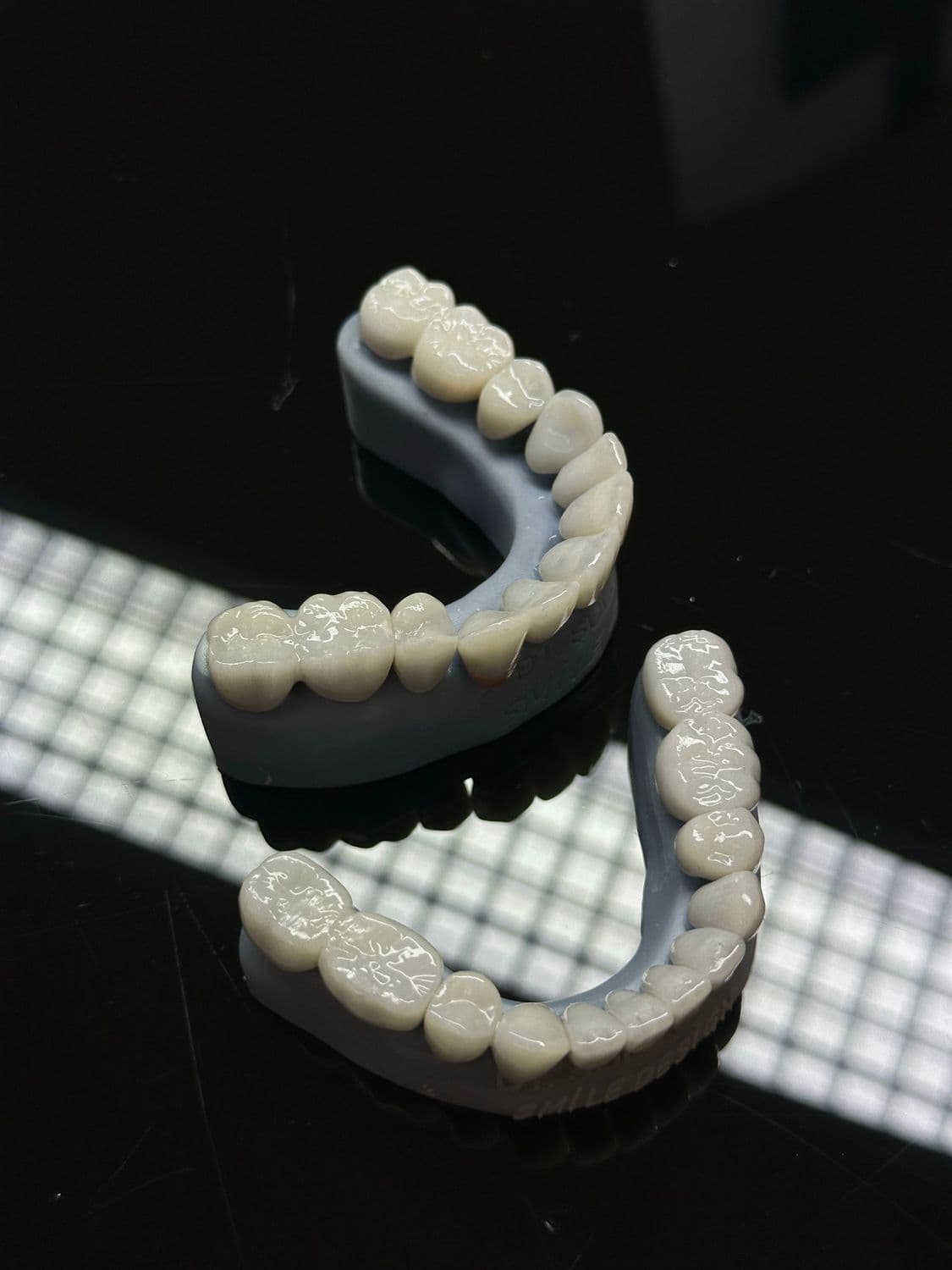
Full Mouth Rehabilitation: Restoring Your Complete Smile with Dental Implants in Vadodara
Missing multiple teeth or struggling with failing dental work? Full mouth rehabilitation using dental implants can restore your complete smile, chewing ability, and confidence in a single treatment plan. Here is everything you need to know about this life-changing procedure.
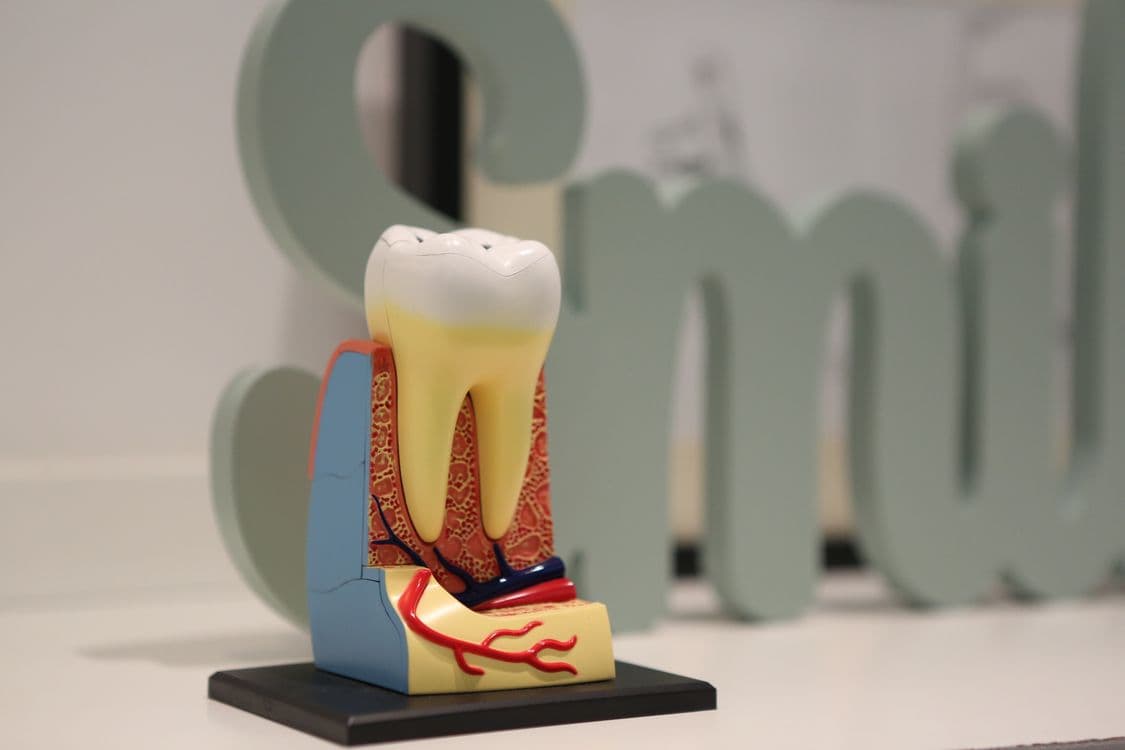
Dental Anxiety? How Pain-Free Dentistry Actually Works in 2026
Fear of the dentist prevents millions of Indians from seeking dental care until small problems become serious emergencies. Modern pain-free dentistry has changed dramatically — here is how advanced techniques at specialist clinics make dental visits genuinely comfortable.
Dental Implant Cost in Vadodara 2026: Complete Price Guide and What to Expect
Wondering how much dental implants cost in Vadodara? The price depends on the type of implant, number of teeth, bone condition, and the clinic you choose. Here is a transparent, detailed guide to help you understand implant pricing and make an informed decision.