Teeth Grinding (Bruxism): Signs You Are Doing It and How to Stop
Do you wake up with a sore jaw, headaches, or worn-down teeth? You may be grinding your teeth at night without even knowing it. Bruxism affects millions of Indians and can cause serious dental damage if left untreated. Here is how to recognise the signs and protect your teeth.
What Is Bruxism and Why Does It Happen?
Bruxism is the medical term for involuntary teeth grinding or jaw clenching. It can occur during sleep (nocturnal bruxism) or while awake (awake bruxism), and many people do it without realising until significant damage has already occurred.
The exact cause of bruxism is not fully understood, but several factors are strongly associated: stress and anxiety are the most common triggers — work pressure, financial worries, and life changes can all increase grinding intensity. Sleep disorders such as sleep apnoea and snoring are closely linked to nocturnal bruxism. Misaligned teeth or an abnormal bite can trigger grinding as the jaw tries to find a comfortable resting position. Lifestyle factors including excessive caffeine consumption, alcohol, smoking, and certain medications can worsen bruxism.
Bruxism generates forces of up to 250 pounds of pressure on your teeth — far more than normal chewing. Over time, this excessive force damages teeth, fillings, crowns, and even the jaw joint itself.
Warning Signs You May Be Grinding Your Teeth
Because most bruxism occurs during sleep, you may not know you are doing it. Watch for these warning signs:
Morning jaw pain or stiffness — your jaw muscles feel sore or tight when you wake up, especially around the temples or in front of the ears.
Frequent headaches — tension-type headaches that start at the temples are a classic bruxism symptom. Many patients are treated for headaches for years before discovering grinding is the actual cause.
Worn, flattened, or chipped teeth — your teeth look shorter than they used to, or the biting edges have become flat and smooth. You may notice chips or cracks that appeared without any injury.
Tooth sensitivity — grinding wears away enamel, exposing the sensitive layer underneath. Suddenly sensitive teeth without any obvious cavity may indicate bruxism damage.
Indentations on your tongue or cheek — scalloped edges on your tongue or bite marks on the inside of your cheeks suggest clenching.
Your partner hears it — nocturnal grinding can be loud enough to wake a sleeping partner. If someone tells you that you grind your teeth at night, take it seriously.
The Dental Damage Bruxism Causes
Untreated bruxism progressively damages your dental health in several ways. Enamel erosion is often the first consequence — the protective outer layer of teeth wears away, making teeth shorter, flatter, and more sensitive. Once enamel is lost, it cannot regenerate.
Cracked and fractured teeth are common in chronic grinders. The constant excessive pressure can crack natural teeth, break dental fillings, and fracture porcelain crowns. These repairs are expensive and the underlying grinding must be addressed to prevent repeated damage.
TMJ (temporomandibular joint) disorders develop when grinding overworks the jaw joints. Symptoms include clicking or popping sounds when opening the mouth, difficulty opening the mouth fully, jaw locking, and chronic facial pain.
Gum recession can be accelerated by the lateral forces of grinding. As gums recede, tooth roots become exposed, leading to sensitivity and increased cavity risk at the gum line.
At Ashirvad Dental Clinic in Subhanpura, Vadodara, we regularly see patients whose dental problems — cracked teeth, worn enamel, unexplained sensitivity — are ultimately traced back to undiagnosed bruxism.
How to Treat and Prevent Teeth Grinding
The most effective treatment for bruxism combines protective measures with addressing the underlying cause.
Custom night guards are the primary protective treatment. A night guard is a precisely fitted dental appliance worn during sleep that creates a barrier between your upper and lower teeth, absorbing the grinding forces and preventing tooth damage. Custom-made guards from your dentist fit far better and last longer than over-the-counter options.
Stress management is essential for stress-related bruxism. Regular exercise, meditation, counselling, and reducing caffeine intake can significantly reduce grinding frequency and intensity.
Bite correction may be recommended if misaligned teeth are contributing to the problem. Orthodontic treatment or selective tooth reshaping can create a more balanced bite that reduces the trigger for grinding.
Damage repair addresses the consequences of past grinding. Worn teeth may need crowns to restore their shape and strength. Cracked teeth require prompt treatment to prevent further fracture. Sensitive areas may need bonding or desensitising treatments.
Dr. Manan Buch at Ashirvad Dental Clinic provides comprehensive bruxism evaluation including examination of tooth wear patterns, jaw joint assessment, and digital imaging to determine the extent of damage and the most effective treatment approach.
When to See a Dentist About Bruxism
Do not wait for severe damage before seeking help. Visit a dentist if you notice any of the warning signs mentioned above, especially if you have morning jaw pain more than twice a week, visible wear on your front teeth, unexplained tooth cracks or fractures, frequent headaches that start at the temples, or a sleeping partner who reports hearing you grind.
Early intervention is key — a custom night guard can prevent thousands of rupees in dental repairs. The cost of protecting your teeth is a fraction of the cost of replacing the damage that uncontrolled bruxism causes.
At Ashirvad Dental Clinic in Subhanpura, Vadodara, bruxism evaluation is included in our comprehensive dental check-ups. Patients from across Vadodara — Gorwa, Alkapuri, Akota, Karelibaug, Wadi, and surrounding areas — trust our specialist team for thorough diagnosis and effective treatment of grinding-related dental problems.
Teeth grinding is a silent destroyer of dental health — most people do not know they do it until significant damage has occurred. If you recognise any of the warning signs, do not ignore them. A simple dental evaluation and a custom night guard can protect your teeth from further damage and save you from expensive repairs down the road. Schedule a bruxism evaluation at Ashirvad Dental Clinic in Subhanpura, Vadodara — call +91 74061 27475 to book your appointment.
Related Services at Ashirvad Dental Clinic
Ready to take the next step?
Book a consultation with our specialists at Ashirvad Dental Clinic, Subhanpura.
More Articles
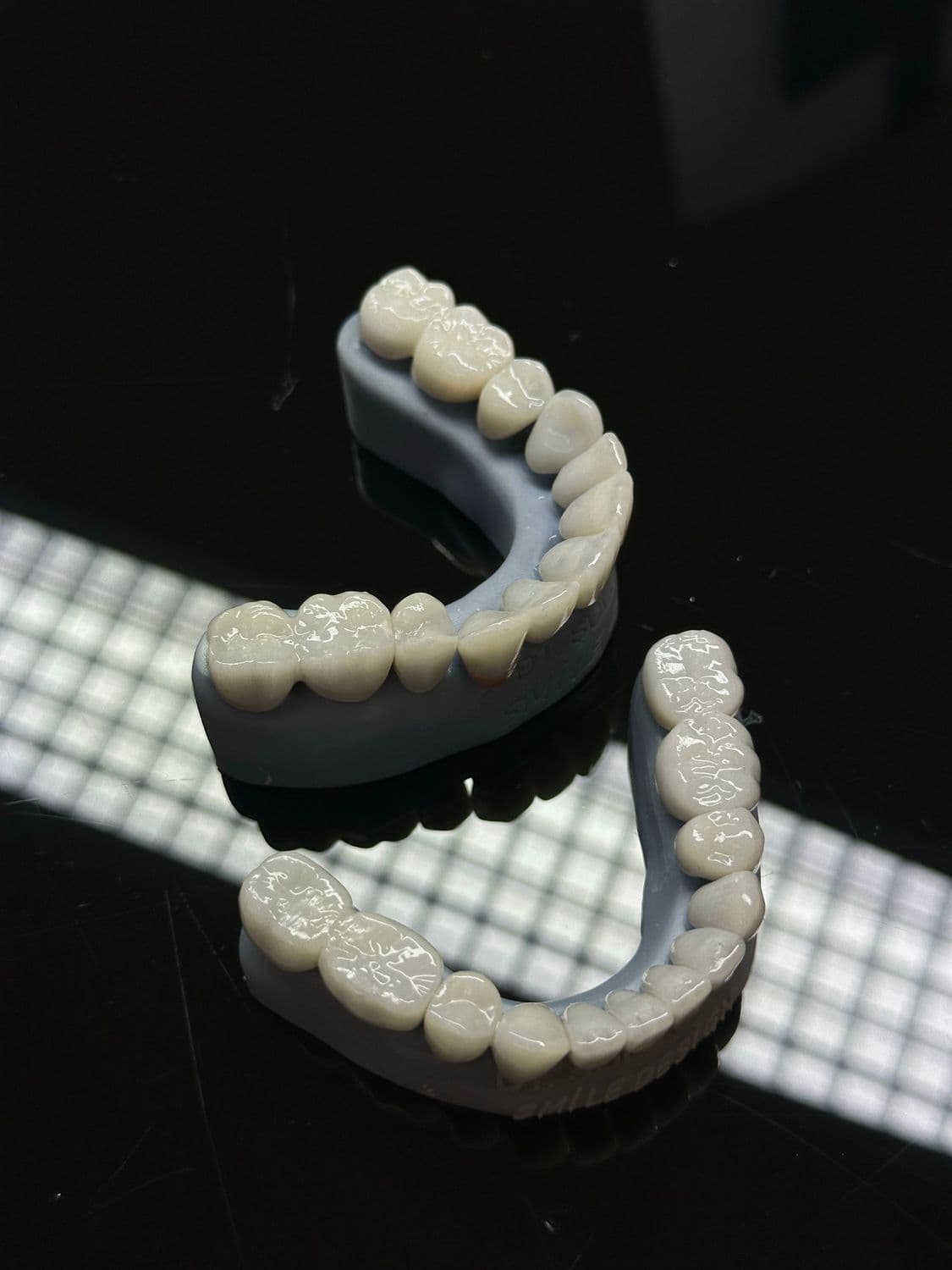
Full Mouth Rehabilitation: Restoring Your Complete Smile with Dental Implants in Vadodara
Missing multiple teeth or struggling with failing dental work? Full mouth rehabilitation using dental implants can restore your complete smile, chewing ability, and confidence in a single treatment plan. Here is everything you need to know about this life-changing procedure.
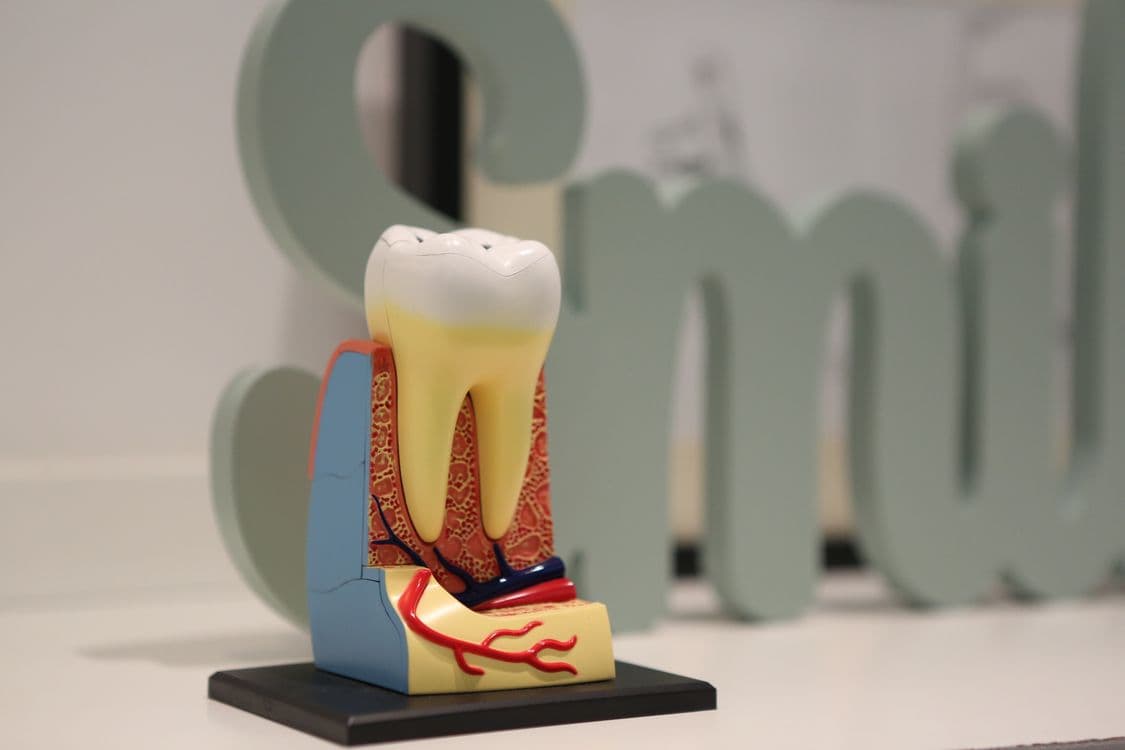
Dental Anxiety? How Pain-Free Dentistry Actually Works in 2026
Fear of the dentist prevents millions of Indians from seeking dental care until small problems become serious emergencies. Modern pain-free dentistry has changed dramatically — here is how advanced techniques at specialist clinics make dental visits genuinely comfortable.
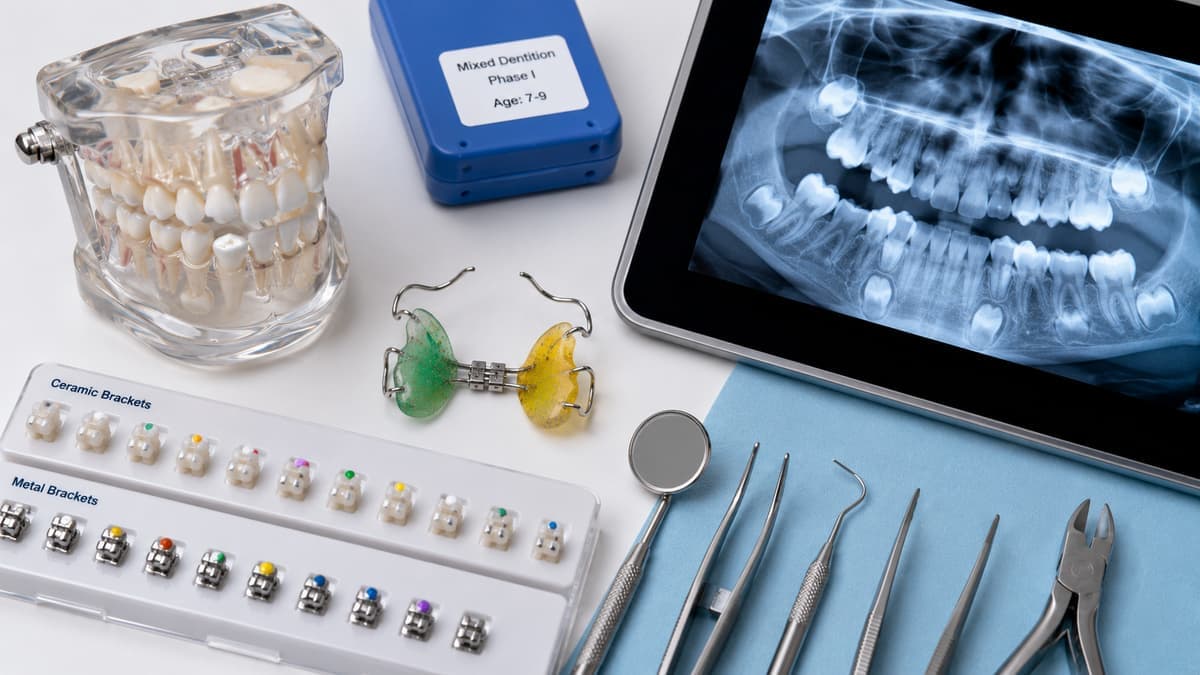
Dental Implant Cost in Vadodara 2026: Complete Price Guide and What to Expect
Wondering how much dental implants cost in Vadodara? The price depends on the type of implant, number of teeth, bone condition, and the clinic you choose. Here is a transparent, detailed guide to help you understand implant pricing and make an informed decision.

Back to School Dental Checklist: 7 Things Every Parent in Vadodara Should Know
School reopens soon and your child's dental health deserves attention before the new term begins. A quick dental check-up now can prevent painful emergencies, missed school days, and expensive treatments later. Here is your complete back-to-school dental checklist.