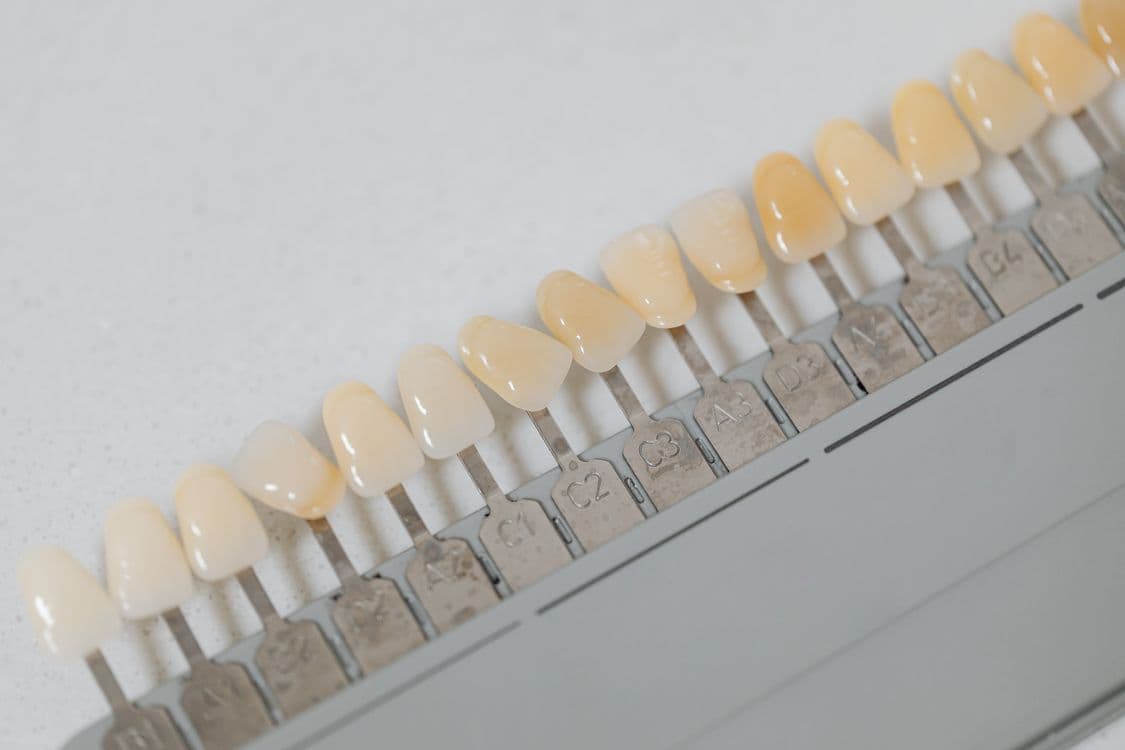
Teeth Whitening in 2026: Professional Treatment vs Home Remedies — What Actually Works
From DIY charcoal toothpaste to professional LED whitening, teeth whitening options have exploded in 2026. But which methods actually deliver safe, lasting results — and which ones risk damaging your enamel? Here is an honest, science-backed comparison to help you make the right choice.
Why Teeth Become Discoloured Over Time
Tooth discolouration is one of the most common cosmetic dental concerns, and understanding why it happens is the first step toward choosing the right whitening approach. There are two types of tooth stains — extrinsic and intrinsic — and they respond to very different treatments.
Extrinsic stains affect the outer enamel surface and are caused by daily habits. Tea, coffee, red wine, cola, tobacco, and deeply coloured foods like turmeric, berries, and tomato-based sauces gradually deposit pigments on the enamel. In India, where chai is consumed multiple times a day and turmeric is a kitchen staple, extrinsic staining is especially common. These surface stains are generally the easiest to address with both professional and at-home methods.
Intrinsic stains occur within the tooth structure itself and are harder to treat. They may result from excessive fluoride exposure during childhood, tetracycline antibiotics taken during tooth development, dental trauma that damaged the tooth's nerve, or natural aging as the outer enamel thins and reveals the yellower dentin beneath. Intrinsic stains typically require professional treatment for meaningful improvement.
Popular Home Whitening Remedies: Do They Actually Work?
Social media and wellness blogs have popularised several home whitening methods. While some offer mild benefits, many carry risks that are rarely mentioned in the viral posts promoting them.
Baking soda is one of the most commonly used home remedies. It is mildly abrasive and can remove some surface stains when used occasionally. However, regular use can wear down enamel over time, leading to increased sensitivity and making teeth more vulnerable to future staining. Baking soda does not change the actual colour of teeth — it only scrubs surface deposits.
Activated charcoal toothpaste has become enormously popular despite limited scientific evidence supporting its whitening claims. The abrasive nature of charcoal can scratch enamel, creating microscopic grooves where stains accumulate even faster. Most dental associations do not recommend charcoal-based products for whitening.
Oil pulling with coconut oil is a traditional practice that may improve oral hygiene but has no proven whitening effect. Lemon juice and apple cider vinegar are acidic enough to erode enamel with repeated use, potentially causing irreversible damage.
Over-the-counter whitening strips and trays contain low concentrations of peroxide and can produce modest results for mild surface stains. However, without professional guidance, they risk uneven whitening, gum irritation, and increased sensitivity — especially if used longer or more frequently than directed.
Professional Teeth Whitening: How It Works in 2026
Professional teeth whitening remains the safest and most effective way to achieve noticeable, lasting results. In 2026, dental whitening technology has advanced significantly, offering faster treatment times, reduced sensitivity, and more natural-looking outcomes.
In-office whitening uses professional-grade hydrogen peroxide or carbamide peroxide gels at concentrations between 25 and 43 percent — far stronger than anything available over the counter. The gel is carefully applied to the teeth while the gums are protected with a barrier, ensuring the whitening agent contacts only the enamel surface.
Modern LED and laser-activated whitening systems accelerate the bleaching process, allowing significant shade improvement in a single sixty to ninety minute appointment. The latest systems in 2026 incorporate enamel-protective formulations with potassium nitrate and fluoride that actively reduce sensitivity during and after treatment.
At Ashirvad Dental Clinic in Subhanpura, professional whitening begins with a thorough examination to ensure the teeth and gums are healthy enough for treatment. Existing cavities, gum disease, or worn enamel must be addressed before whitening to avoid complications and ensure optimal results.
Professional vs Home Whitening: An Honest Comparison
Effectiveness is where professional whitening clearly wins. In-office treatments can lighten teeth by three to eight shades in a single session, while over-the-counter products typically achieve one to two shades over several weeks of consistent use. Home remedies like baking soda or charcoal produce negligible actual whitening.
Safety is another critical difference. Professional whitening is performed under controlled conditions with gum protection, calibrated concentrations, and real-time monitoring. Home products lack these safeguards, and misuse can lead to chemical burns on gums, uneven results, or enamel damage.
Durability of results varies significantly. Professional whitening results typically last one to three years with proper maintenance, while over-the-counter results fade within weeks to months. The combination approach — professional in-office whitening followed by custom take-home trays for periodic touch-ups — offers the best long-term value.
Cost is the primary advantage of home methods. Over-the-counter strips cost a few hundred rupees, while professional whitening ranges from five thousand to twenty thousand rupees depending on the system and complexity. However, when factoring in the superior results, safety, and longevity, professional whitening often provides better value per shade of improvement.
Who Should Avoid Teeth Whitening
Teeth whitening is not suitable for everyone, and a professional evaluation before treatment can prevent complications. Children under sixteen should not undergo whitening treatments as their tooth pulp is still developing and is more sensitive to bleaching agents.
Pregnant and breastfeeding women are generally advised to postpone cosmetic whitening treatments as a precaution, even though no specific harm has been documented. Patients with untreated cavities, gum disease, or exposed tooth roots should address these issues before whitening to avoid pain and further damage.
People with dental restorations — crowns, veneers, bonding, or fillings — should understand that whitening agents do not change the colour of artificial materials. This can result in mismatched shades between natural teeth and restorations, requiring replacement of visible dental work after whitening.
Patients with severe intrinsic staining from tetracycline or fluorosis may not achieve satisfactory results with whitening alone. In these cases, dental veneers or composite bonding may be more effective cosmetic solutions.
Maintaining Your Whitening Results
Protecting your investment requires simple but consistent habits. During the first forty-eight hours after professional whitening, avoid deeply coloured foods and beverages — coffee, tea, red wine, tomato sauce, dark berries, and turmeric-based dishes can re-stain teeth while the enamel pores are still open.
Long-term maintenance includes brushing twice daily with a whitening toothpaste that carries a dental association seal of approval. Using a straw for coffee, tea, and coloured beverages minimises direct contact with the front teeth. Rinsing your mouth with water immediately after consuming staining foods or drinks is a simple habit that makes a real difference.
Avoid tobacco in all forms — smoking and chewing tobacco are the fastest ways to reverse whitening results. Schedule professional dental cleanings every six months to remove surface stains before they penetrate deeper into the enamel.
Consider periodic touch-up treatments. Many patients find that a brief take-home whitening session every six to twelve months maintains their desired shade without requiring a full in-office treatment.
Why Patients Choose Ashirvad Dental Clinic for Teeth Whitening
At Ashirvad Dental Clinic in Subhanpura, Vadodara, teeth whitening is approached as part of a comprehensive smile assessment rather than an isolated procedure. Dr. Manan Buch evaluates each patient's dental health, stain type, and aesthetic goals before recommending the most appropriate whitening approach.
The clinic uses advanced LED whitening systems with enamel-safe formulations that deliver noticeable results in a single visit. For patients who prefer gradual whitening, custom take-home tray systems with professional-grade gel provide a convenient alternative with dentist-supervised safety.
Whether you are preparing for a wedding, professional milestone, or simply want to feel more confident in your smile, professional whitening at Ashirvad Dental Clinic offers predictable, safe results that home remedies simply cannot match.
In 2026, the science is clear — professional teeth whitening delivers safer, faster, and longer-lasting results than any home remedy or over-the-counter product. While DIY methods may seem convenient and affordable, the risks of enamel damage, uneven results, and wasted effort make them a poor long-term choice. If you want a genuinely brighter smile without compromising your dental health, a professional evaluation is the smartest first step. Book a whitening consultation at Ashirvad Dental Clinic in Subhanpura, Vadodara to discover the safest and most effective option for your smile.
Related Services at Ashirvad Dental Clinic
Ready to take the next step?
Book a consultation with our specialists at Ashirvad Dental Clinic, Subhanpura.
More Articles
Teeth Grinding (Bruxism): Signs You Are Doing It and How to Stop
Do you wake up with a sore jaw, headaches, or worn-down teeth? You may be grinding your teeth at night without even knowing it. Bruxism affects millions of Indians and can cause serious dental damage if left untreated. Here is how to recognise the signs and protect your teeth.
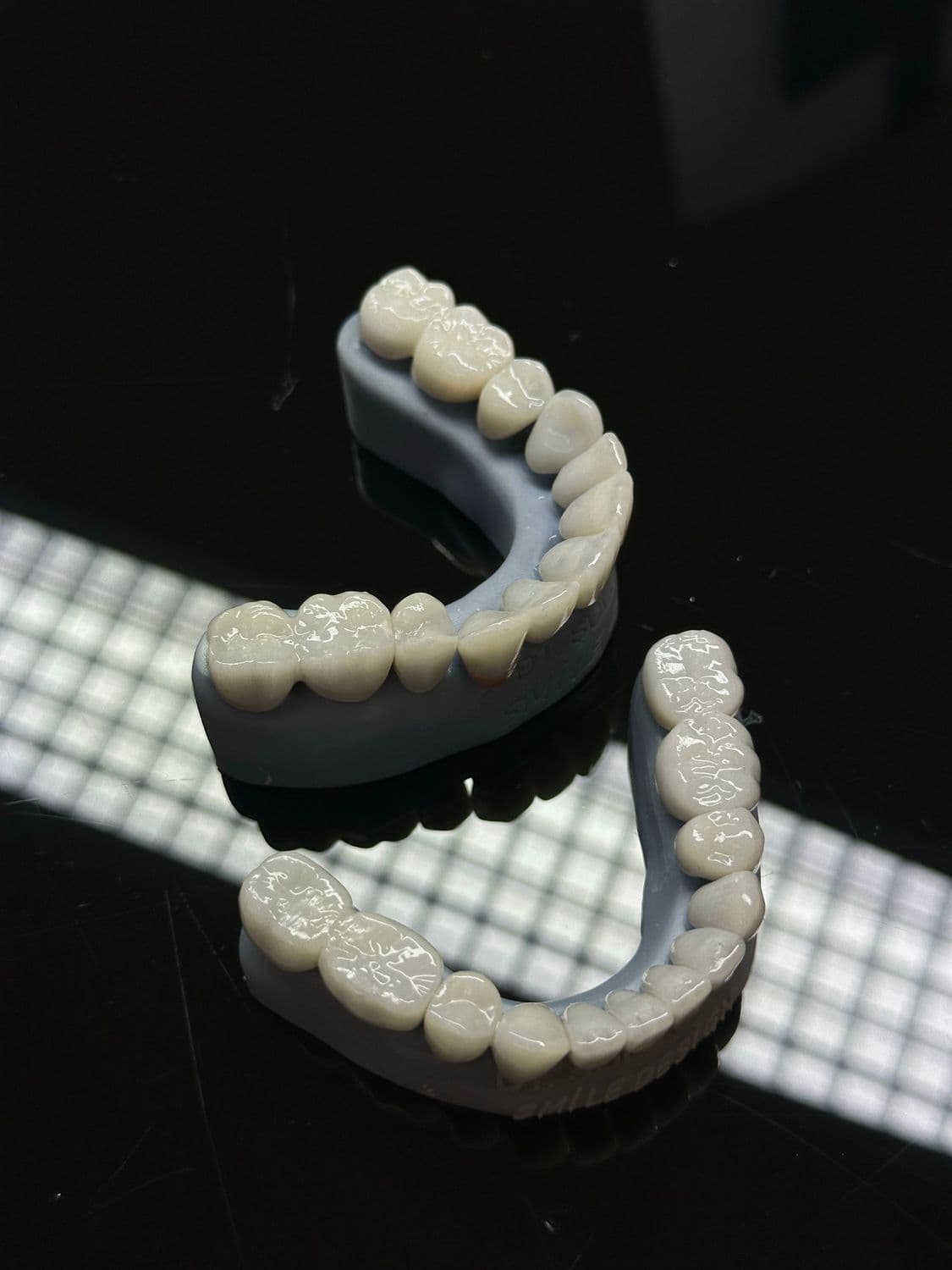
Full Mouth Rehabilitation: Restoring Your Complete Smile with Dental Implants in Vadodara
Missing multiple teeth or struggling with failing dental work? Full mouth rehabilitation using dental implants can restore your complete smile, chewing ability, and confidence in a single treatment plan. Here is everything you need to know about this life-changing procedure.
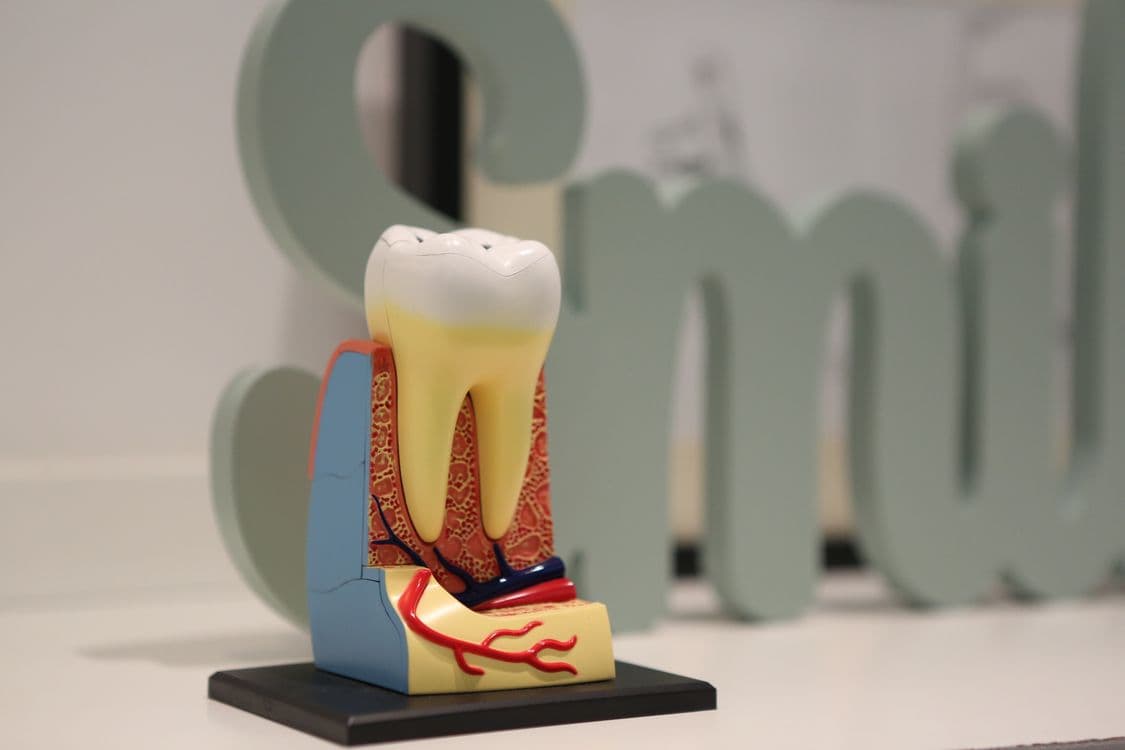
Dental Anxiety? How Pain-Free Dentistry Actually Works in 2026
Fear of the dentist prevents millions of Indians from seeking dental care until small problems become serious emergencies. Modern pain-free dentistry has changed dramatically — here is how advanced techniques at specialist clinics make dental visits genuinely comfortable.
Dental Implant Cost in Vadodara 2026: Complete Price Guide and What to Expect
Wondering how much dental implants cost in Vadodara? The price depends on the type of implant, number of teeth, bone condition, and the clinic you choose. Here is a transparent, detailed guide to help you understand implant pricing and make an informed decision.