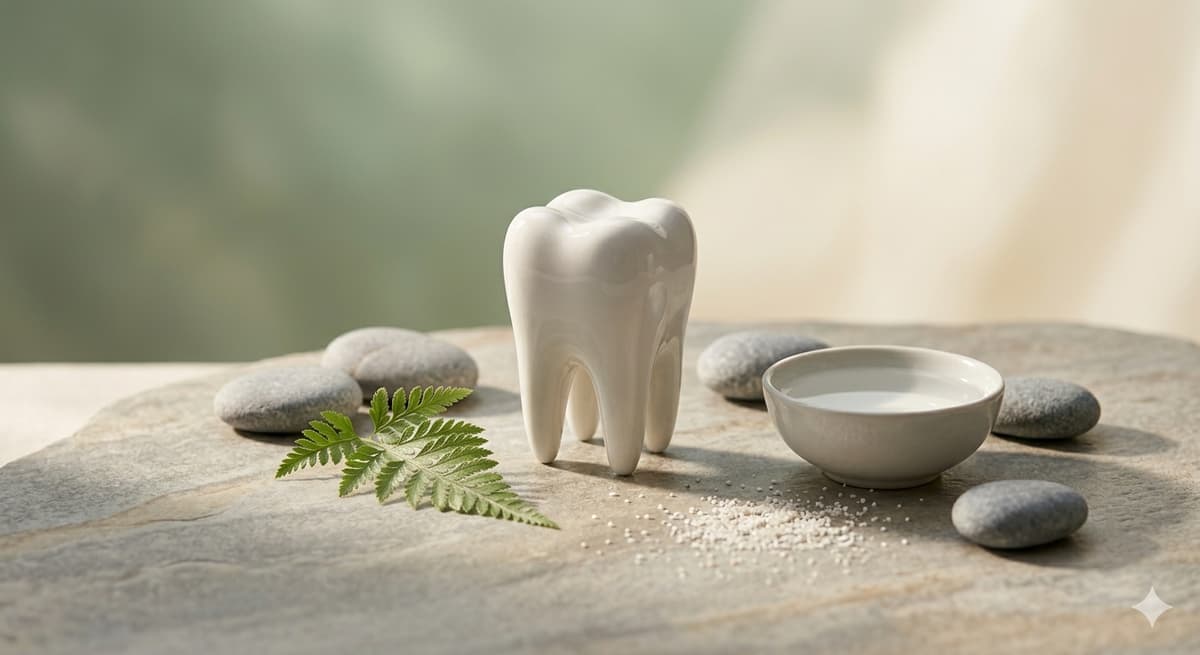
Wisdom Tooth Removal: Why Acting Before Monsoon Could Save You Weeks of Pain
Wisdom tooth pain has a way of becoming unbearable very quickly. For many patients, summer is actually the best time to deal with the problem before monsoon humidity, infections, and emergency flare-ups make recovery more uncomfortable.
Why Wisdom Teeth Cause Problems
Wisdom teeth, also known as third molars, are the last teeth to erupt, usually between the ages of seventeen and twenty-five. The problem is that modern jaws often do not have enough space to accommodate them properly.
As a result, wisdom teeth may remain trapped under the gums or bone, erupt only partially, grow sideways, press against neighboring teeth, or create hard-to-clean pockets that collect bacteria.
This condition is called impaction, and it is one of the most common reasons adults require tooth extraction.
Common Signs You May Need Wisdom Tooth Removal
Wisdom tooth issues are not always limited to severe pain. Many symptoms appear gradually and are often ignored until infection develops.
Warning signs include pain at the back of the jaw, swollen or bleeding gums near the last molar, difficulty opening the mouth fully, bad breath or unpleasant taste, headaches or ear pain, swelling around the cheek or jaw, food getting stuck repeatedly near the wisdom tooth, and fever or recurring gum infection.
If these symptoms continue, it is important to get the tooth evaluated before the condition worsens.
Why Summer Is a Better Time for Extraction
Planning wisdom tooth removal before monsoon can make recovery simpler and more comfortable for many patients.
Summer offers practical advantages such as drier weather conditions, easier healing management, more flexible schedules for students and working professionals, and reduced chances of treatment delays caused by seasonal illness or travel.
Recovery after extraction generally requires a few days of rest, soft foods, and proper care, making summer vacations or planned leave periods especially convenient for treatment.
Modern Wisdom Tooth Extraction Is Far More Comfortable Than People Expect
Many patients delay treatment because they imagine painful extractions based on outdated experiences shared years ago. Modern dental surgery is very different today.
At Ashirvad Dental Clinic in Subhanpura, wisdom tooth procedures are planned using advanced 3D CBCT imaging, which helps accurately assess the tooth position, surrounding bone, and nearby nerves before treatment begins.
With modern anesthesia techniques, most patients experience minimal discomfort during the procedure itself. Simple extractions may take only a few minutes, while impacted wisdom tooth surgeries are completed carefully and predictably within a short appointment.
Recovery After Wisdom Tooth Removal
The first forty-eight hours are the most important for healing. Patients are usually advised to eat cold, soft foods initially, avoid smoking and straws, apply cold compresses, take prescribed medication on time, and rest adequately for a few days.
By the third or fourth day, most people comfortably return to normal routines. Soft tissue healing generally improves significantly within two weeks.
Traditional soft foods like khichdi, dal-rice, yogurt, smoothies, soups, and soft fruits are usually easy to manage during recovery.
Common Myths About Wisdom Tooth Surgery
"If it doesn't hurt constantly, it's fine" — not always. Many impacted wisdom teeth remain silent for years before suddenly causing infection, swelling, or damage to nearby teeth.
"Wisdom tooth removal is extremely painful" — modern anesthesia and surgical techniques make the procedure far more comfortable than most people expect. Post-treatment discomfort is usually temporary and manageable with medication.
"Recovery takes weeks" — most patients return to work, college, or regular activity within a few days.
"Removing wisdom teeth weakens other teeth" — in many cases, removing problematic wisdom teeth actually protects neighboring teeth from decay, pressure damage, and gum infection.
Why Patients Choose Ashirvad Dental Clinic
Ashirvad Dental Clinic in Subhanpura focuses on careful diagnosis, modern imaging, and patient comfort throughout the treatment process. From consultation to recovery guidance, the approach is designed to make wisdom tooth removal less stressful and more predictable for patients of all ages.
The clinic's specialist-led approach ensures proper evaluation of impacted teeth, surrounding structures, and long-term oral health before treatment planning begins.
Wisdom tooth pain rarely improves permanently on its own. Delaying treatment often means dealing with sudden infections, swelling, or severe discomfort at the worst possible time. Addressing the issue before monsoon arrives can make treatment, recovery, and healing significantly smoother — helping you avoid unnecessary pain and emergency dental visits later in the season.
Related Services at Ashirvad Dental Clinic
Ready to take the next step?
Book a consultation with our specialists at Ashirvad Dental Clinic, Subhanpura.
More Articles
Teeth Grinding (Bruxism): Signs You Are Doing It and How to Stop
Do you wake up with a sore jaw, headaches, or worn-down teeth? You may be grinding your teeth at night without even knowing it. Bruxism affects millions of Indians and can cause serious dental damage if left untreated. Here is how to recognise the signs and protect your teeth.
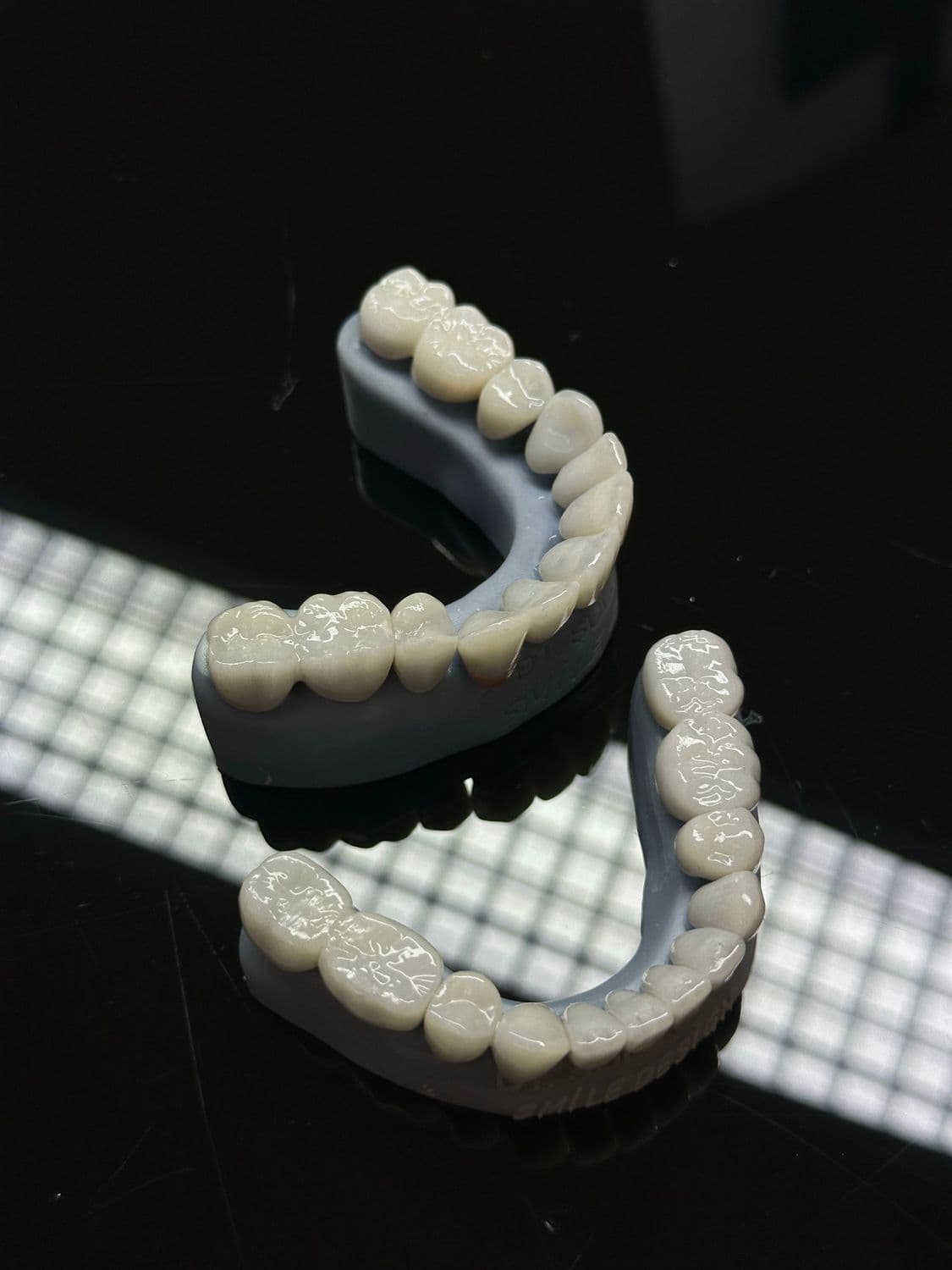
Full Mouth Rehabilitation: Restoring Your Complete Smile with Dental Implants in Vadodara
Missing multiple teeth or struggling with failing dental work? Full mouth rehabilitation using dental implants can restore your complete smile, chewing ability, and confidence in a single treatment plan. Here is everything you need to know about this life-changing procedure.
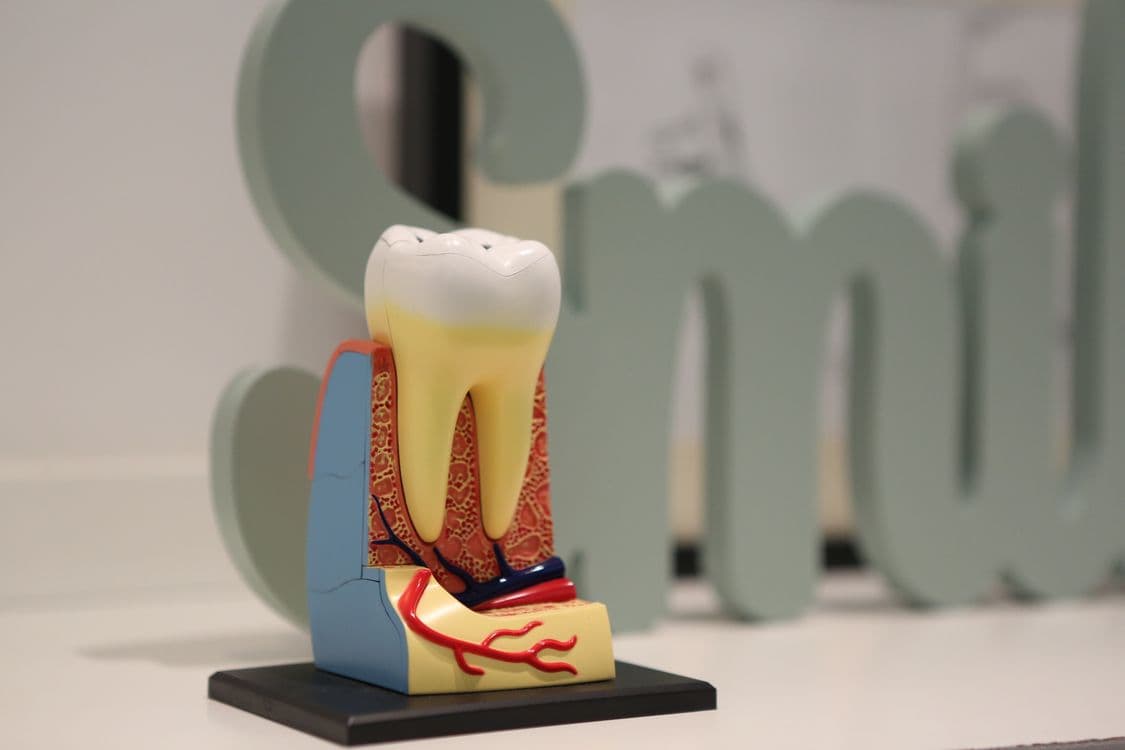
Dental Anxiety? How Pain-Free Dentistry Actually Works in 2026
Fear of the dentist prevents millions of Indians from seeking dental care until small problems become serious emergencies. Modern pain-free dentistry has changed dramatically — here is how advanced techniques at specialist clinics make dental visits genuinely comfortable.
Dental Implant Cost in Vadodara 2026: Complete Price Guide and What to Expect
Wondering how much dental implants cost in Vadodara? The price depends on the type of implant, number of teeth, bone condition, and the clinic you choose. Here is a transparent, detailed guide to help you understand implant pricing and make an informed decision.